
Knowledge
Stannic Oxide: A Deep Dive Commentary
Historical Development
Long before high-tech electronics and solar panels filled labs and factories, tin compounds played a hidden but steady role in chemistry and manufacturing. Stannic oxide, also called tin(IV) oxide or SnO2, traces its roots back centuries. Early glassmakers and ceramic artisans noticed its whitening powers, using it to give pottery and tiles a clean look. As science advanced, stannic oxide’s electrical properties stood out. By the twentieth century, researchers began to harness it for electrical conductivity and chemical resistance in more complex products. Its story is tied up with shifting demands from industry, energy, and even environmental science, steadily moving from a craftsman’s shelf to the linchpin of transparent electronics.
Product Overview
Most people have never handled a jar labeled “stannic oxide.” Manufacturers receive it either as a fine, heavy white powder or as a ready-to-use dispersion, depending on specific uses. Industrial suppliers ship it in drums or bags to glassmakers, electronics firms, and pigment producers. Purity matters: electronic grade demands near-zero metal contamination, while ceramic work tolerates more. Trade names vary, but the essential product remains sturdy and effective, bridging old-age reliability and modern utility.
Physical & Chemical Properties
Stannic oxide shows up as a solid white or off-white powder with a density higher than simple table salt. It doesn’t react with water or dissolve, so it keeps its form even in humid conditions. Crystals of SnO2 take on a tetragonal structure. In the chemistry lab, it resists most acids, except stronger substances like hydrofluoric acid. SnO2 handles high heat well, not melting until temperatures soar past 1,600 degrees Celsius. Its electrical conductivity changes with doping, which opens its use for technologies like sensors and transparent thin films. Sharp chemists value its consistent structure and resistance to corrosion in both harsh and delicate processes.
Technical Specifications & Labeling
Suppliers clearly note tin content, usually exceeding 99%, and highlight elements like iron, lead, or antimony. For electronics, allowable impurities drop to just a few parts per million. Powdered SnO2 comes with grain size in the low micron or even nanoscale range for specialized coatings. Packaging labels often spell out weight, batch number, manufacturing date, and safety warnings. In Europe, hazard pictograms warn about any respiratory risks linked to fine powders. In North America and Asia, material safety data sheets back up these details for buyers and regulators, ensuring clear communication from lab to shop floor.
Preparation Method
Most commercial SnO2 comes from two streams: roasting cassiterite mineral and direct chemical synthesis. The mined route heats tin ore (cassiterite, or SnO2) at high temperatures, driving off impurities and grinding it to powder. Chemical methods dissolve pure tin in nitric acid to form tin nitrate, followed by heating and hydrolysis. This leaves a purer form of stannic oxide behind, which can be further processed to suit high-tech needs. For laboratory use, careful control of heat and pH guarantees that no unwanted side compounds sneak into the mix. Whether mined or synthesized, the path rewards close attention to quality every step along the way.
Chemical Reactions & Modifications
SnO2 takes part in classic redox reactions, acting as either an oxidizing or reducing agent under the right conditions. Adding tiny amounts of other oxides, like antimony or fluorine, transforms its conductivity for display technologies. Reducing stannic oxide with hydrogen gas forms tin metal, a process already used on industrial scales. SnO2 lets scientists design custom catalysts for breaking down pollutants or speeding up chemical syntheses. Its surface also grabs onto organic molecules, which helps when filtering water or making smart sensors. Each modification tweaks the balance between stability, reactivity, and utility, unlocking new uses for an old compound.
Synonyms & Product Names
Chemists recognize stannic oxide by more than a few labels: tin dioxide, binoxide of tin, and even “E172” when used as a colorant in food or pharmaceuticals. Product names in commerce — like MetaSnO2 or Tinox — show regional flair but all point back to SnO2. The multiplicity of names sometimes causes confusion in cross-border commerce or regulatory registration, pushing buyers and suppliers to specify by chemical formula or CAS number to clear up any ambiguity.
Safety & Operational Standards
Stannic oxide ranks among the safer industrial powders, but no one should treat fine dusts lightly. Breathing in particles over time can irritate the lungs, much like any mineral powder. Factories use dust collectors and sealed handling systems to cut down airborne powder. Workers wear masks and eye protection during bulk transfers, and showers stand ready for accidental spills. Company safety teams enforce procedures set by organizations like OSHA (US), REACH (EU), or local equivalents. Routine audits catch problems early. On paper and in practice, worker health and emergency response plans run just as carefully as the technical operations.
Application Area
Glassmakers value stannic oxide for its ability to produce cloud-white, durable, and acid-resistant enamels. The electronics industry relies on it as a transparent conductor in touchscreens, solar cells, and LED lights. Catalysts built from SnO2 speed up reactions in chemical plants, from petroleum cracking to removing industrial waste gases. In pigments, snO2 turns up in glossy auto paints and tough ceramics. Medical research uses it for antimicrobial coatings, while water purification engineers test its power to break down toxins. Research never stops; every year brings new patents and unexpected uses, reflecting a compound that fits many shoes.
Research & Development
Innovation in stannic oxide focuses on nano-sizing, doping, and compositing with other elements. Making stable, uniform nanoparticles boosts a catalyst’s surface area or sharpens a sensor’s sensitivity. Thin films and coatings receive the most expensive R&D attention, often involving companies partnering with universities. Every leap in solar panel efficiency or touchscreen durability traces back to improvements in SnO2 chemistry and engineering. The race to cut cost, lower energy input, and fine-tune properties pulls in cross-disciplinary teams — physicists, material scientists, and chemical engineers — all pushing for the next big step in performance or sustainability.
Toxicity Research
No sweeping health crisis surrounds stannic oxide, but thoughtful toxicology research keeps public health at the forefront. Animal studies show that ingesting or inhaling moderate amounts poses low risk, though chronic inhalation (as in dusty workplaces) brings up lung irritation concerns. Research tracks whether tin dioxide nanoparticles behave differently than traditional powders in the body, especially since nano-materials sometimes penetrate deeper into tissues. Long-term epidemiological surveys check whether exposed factory workers develop problems down the line. Regulatory agencies like the EPA update safety limits and recommend best practices, keeping pace with scientific findings and new manufacturing scenarios.
Future Prospects
Demand for stannic oxide will ride the wave of transparent electronics, solar technology, and environmental engineering. Thin films, resistant to wear but allowing light through, stand ready for next-generation screens, smart windows, and energy harvesters. Research into energy storage — especially sodium-ion and lithium-ion batteries — looks to SnO2 as a performance booster. Cleaner catalysts could help break down stubborn pollutants, addressing new environmental standards. Emerging economies, scaling up electronics and advanced manufactories, will boost global SnO2 demand. As energy and waste management reshape industry goals worldwide, the market looks set for steady growth and creative reinvention across sectors.
A Look at Stannic Oxide in Everyday Life
Most people don’t think about stannic oxide when they go about their day, but this chemical keeps buzzing in the background of daily technology and products. Stannic oxide, better known as tin(IV) oxide or SnO₂, shows up everywhere from ceramics to electronics. Years back, while touring a local pottery studio, I watched artists transform raw clay with brilliant glazes. That shine comes in part from stannic oxide. It helps make ceramics tougher and gives tiles that clean, attractive finish that lasts for decades.
The Role in Glass and Ceramics
Stannic oxide stands out in the glass world. Glassmakers turn to it for producing “milky” or opaque glass. Some old stained-glass windows I saw in Europe owe their rich, lasting color to it. The reason’s simple: stannic oxide doesn’t just add whiteness, it boosts the glass’s resistance to weathering and damage. People expect windows, bottles, and decorative glass pieces to hold up over the years. It takes reliable materials to meet that demand.
In ceramics, the compound acts almost like a secret weapon. It strengthens tiles, improves glazes, and gives that unmistakable smooth finish. Artisans like it because it produces even, vibrant colors that don’t fade. Tile manufacturers use it for similar reasons—stannic oxide provides durability and helps surfaces resist stains, something I appreciated during every frustrated attempt at mopping a kitchen floor.
Electronics Industry and Stannic Oxide
Many people hold a phone or tablet every day. What they see—the clear display covering the electronics—often includes a coating that uses stannic oxide. There, it acts as a transparent conductor. This invisibility trick means screens let light pass through while still carrying an electrical signal. I remember seeing older TVs with dull screens, but today’s devices stay bright and responsive thanks in part to this thin, invisible layer.
Solar panel makers also turn to stannic oxide for its conductive properties. The world’s pushing for cleaner energy, and this material improves efficiency in solar cells. It helps capture more sunlight and converts it into power, lowering energy bills and reducing reliance on fossil fuels. The quest for smarter, longer-lasting solar panels keeps driving new research into how to use these coatings more effectively.
Tackling Industrial Concerns
The mining and refining of tin to produce SnO₂ isn’t without headaches. Extraction eats up energy and can scar local environments if left unchecked. Over the years, I’ve seen communities wrestle with the waste and soil issues tied to mining. Responsible sourcing matters. Companies now look for ways to recycle tin from electronic waste—phones, laptops, and batteries—cutting demand for new materials while keeping trash out of landfills.
What’s Next for Stannic Oxide?
The chemical’s uses keep expanding. Researchers test new mixes to produce better sensors, stronger batteries, and even anti-microbial coatings. With consumer electronics and clean energy on the rise, interest in stannic oxide won’t fade anytime soon. The next time you click open a window or swipe on your smartphone, a bit of SnO₂ might be playing its part behind the scenes.
Stannic Oxide and Its Chemical Identity
If you’ve handled ceramics, touched solder, or picked apart electronics, you might have crossed paths with a powdery white substance called stannic oxide. Its chemical formula, SnO2, sounds simple enough. The “Sn” comes from tin, and the "O2" stands for two oxygens. That alone sets the stage for a compound that quietly powers plenty of industrial work behind the scenes.
From Chemistry Class to Real-World Use
All through school, chemistry seemed abstract until I started working hands-on with materials. Stannic oxide, or tin(IV) oxide, pops up often. People rely on it for glass coatings, ceramics, and even in gas sensors. Seeing that white powder transform glass into something self-cleaning feels like a small everyday miracle. Its ability to resist corrosion and remain stable at high temperatures makes it valuable. You can tell the formula’s simple for a reason: stability helps in manufacturing and daily use. Most tin sitting around in nature wants to sit as tin(IV)—nature’s way of picking favorites for long-term survival. That’s why you see SnO2 pop up more than its sibling, SnO, which contains tin(II).
The Science Behind SnO2
The heart of this chemical rests on its structure. A single tin atom binds firmly with two oxygens. That 1:2 ratio keeps the molecule balanced. This form of tin oxide, the “stannic” variety, differs from “stannous” oxide (SnO), where tin holds a +2 charge. Chemically, that difference matters. The +4 in stannic oxide means electrons have been stripped further away, making the compound far less reactive and more useful for tough jobs.
Importance in Modern Tech and the Environment
Clean air depends on technology, and stannic oxide plays its part. Gas sensors built from SnO2 react to carbon monoxide or hydrocarbons, sending out alerts before dangerous levels rise. Touchscreens and solar cells draw on its transparent conducting abilities. Coated glass doesn’t fog up, and windows keep themselves cleaner since stannic oxide forms an ultrathin, durable film. It’s good to know that this same chemical formula keeps the world a bit brighter, a bit safer.
Looking at Challenges and Ideas for the Future
Producing stannic oxide usually means roasting tin metal in air or heating tin salts with oxygen. Each process comes with waste and energy costs. Factories must carefully handle emissions to avoid air pollution and resource limits push us to recycle more tin. My own brush with recycling electronics showed how complex it is to separate and extract every useful bit from old devices. Imagine if recycling could reclaim stannic oxide more efficiently, cutting the need for energy-heavy mining.
Researchers now explore using plants and low-impact chemical methods to source tin. Some hope to tweak the crystal structure, improving how SnO2 works as a sensor or filter. Open communication between manufacturers, chemists, and recyclers can spark new ideas to improve how these materials cycle through our economy. All told, a formula as basic as SnO2 keeps finding new roles, reminding us that chemistry grows alongside human ambition and environmental needs.
Looking at Stannic Oxide Through Practical Eyes
Stannic oxide—known in chemistry labs as tin(IV) oxide—often shows up as a white powder. Walk into a ceramics studio, a glassworks, or a pigment plant, and you’ll spot it on the shelf. I remember using it to make glazes in college ceramics class. We’d scoop it by the spoonful, always wearing a trusty dust mask because nobody wanted to risk breathing in something unfamiliar.
Questions about its safety come up for anyone who handles fine powders. News reports sometimes stir anxiety around “chemical exposure,” regardless of actual hazard. The facts around stannic oxide shouldn’t spark panic, but respect makes sense. As published by the National Institute for Occupational Safety and Health (NIOSH), it isn’t toxic in the sense of arsenic or mercury. Animal studies found stannic oxide has low acute toxicity. If someone eats quite a bit, the body doesn’t absorb much, and it passes through without being broken down.
Inhalation raises different questions. Breathing in powders, especially in places without good ventilation, can irritate lungs. NIOSH classifies stannic oxide dust as a nuisance—not as a potent hazard, but not pleasant either. Long-term, any fine particle exposure isn’t a joke for lungs. I know glassworkers who developed “potter’s lung” from years of breathing glaze dust. Chronic exposure, even to low-toxicity dust, brings an increased risk of coughing, breathing trouble, or bronchitis.
Seeing Safety As a Shared Practice
Safe handling doesn’t require high-tech gear. The common-sense steps I learned early on now show up in industry best practices. Scoop with care. Skip the bare hands and use gloves, especially if sensitive skin flares up easily. Work in a place with good airflow. Wear a dust mask—ideally an N95 if you’re mixing larger batches or working around powders every day. Wash up after handling, especially before eating or touching your face. These steps matter more than trusting the material’s reputation for low toxicity.
Regulation focuses on occupational exposure. The Occupational Safety and Health Administration (OSHA) and international agencies don’t list stannic oxide as a major workplace risk, though they still recommend keeping dust below certain levels. Risk increases with quantity and frequency. Home chemists handling a pinch once a week face almost no risk, but industrial workers mixing pounds every day need more vigilance.
Looking for Better Solutions
Substitution drives safety improvements. Other metal oxides, like lead-based pigments, are sometimes still used in parallel processes. Replacing those with stannic oxide can lower overall health risks in ceramics and pigments. On the other hand, advances in material science push companies toward wet processing—slurries instead of loose powders—further cutting the chance of dust inhalation.
Fact-based education also supports safer workplaces and classrooms. Over the years, I’ve seen chemistry teachers shift their syllabi from hands-off warnings to hands-on demos with built-in safety tips. A new crop of users grows up knowing not just to avoid substances, but to treat all powders with respect. Awareness remains our best shield, even around chemicals with a “low-risk” badge.
Final Thoughts on Respecting the Powder
Stannic oxide offers value and relative safety compared to many lab chemicals, but any fine dust deserves careful handling. Treat every jar as a reminder to protect your lungs, skin, and workspace. Workers and hobbyists alike benefit from thoughtful habits—because real safety always starts with hands-on respect for the materials themselves.
Solid State and Appearance
Stannic oxide, also called tin(IV) oxide, lands on the table as a white, odorless solid. Looking at it under sunlight, you might notice a faint shimmer, almost like powdered ceramic. In its usual form, it appears as a fine, vivid white powder. The blunt whiteness explains why Stannic oxide has a long track record in the making of porcelain and glass. Texture-wise, it feels soft and fine, like talcum in your palm, as long as the particle size remains small. Breathe gently around it; it disperses easily because the powder is lightweight. Factories working with this material often require dust control for this reason.
Crystal Structure and Density
Every solid tells a story through its crystal structure. Stannic oxide falls into the tetragonal crystal system. What does that really mean for applications? That dependable, hard-edged structure translates to stability and resistance to deformation when you press on a Stannic oxide pellet. Density lands around 6.95 grams per cubic centimeter, making it denser than most household materials but much less so than metals like gold or platinum. I always remember hefting a small vial; it felt heavier than expected for the size, tipping me off to its compact structure. This density also provides a clue as to why it holds up well as an abrasive in polishing glass and ceramics.
Melting Point and Thermal Endurance
Stannic oxide keeps its cool until temperatures reach 1,630 degrees Celsius. I’ve seen skilled technicians heat up crucibles containing this oxide and watch it withstand the kind of heat that melts steel. That tells you something about its fire resistance. It stands up to heat without decomposing or changing form, which makes it valuable in devices and processes demanding reliable performance at high temperatures—think industrial kilns and electronic components.
Electrical and Optical Behavior
While tin and most metals conduct electricity, Stannic oxide acts differently. As a pure material, it works as a strong insulator. Add a small amount of other elements, such as antimony or fluorine, and that insulator flips into a decent conductor—enough to carry current across a touchscreen or transparent electronics layer. The transparency comes from its wide band gap, which saps away most visible light rather than absorbing it. This clear nature hands it a special spot in the world of energy-efficient windows and solar cell coatings. My foray into DIY electronics gave me firsthand experience: drawing heating elements with “conductive glass” built with Stannic oxide; the lines stayed nearly invisible but performed predictably.
Chemical Inertness and Interaction
Left alone, Stannic oxide resists most acids and basic substances, so it remains mostly inert. This chemical toughness keeps it from breaking down while exposed to everything from everyday household cleaners to industrial reagents. If you want to dissolve it, you need a strong acid like hydrofluoric acid—anything less leaves it largely untouched. This helps explain why Stannic oxide doesn’t stain or corrode easily.
Solutions and Real-World Use
Looking over these physical properties, it’s clear why Stannic oxide pops up across so many fields: ceramics, electronics, even the world of fine art. Handling dust with improved extraction systems and refining crystal quality through controlled firing can keep purity high and performance stable. Investing in safer lab protocols and better ventilation also stands out as a step manufacturers can take to keep their workers safe while harnessing what this solid, resilient compound has to offer.
Why Stannic Oxide Draws Attention in Material Science
Stannic oxide, or tin(IV) oxide, shows up as a white, powdery material. Many working in ceramics and glass notice its popularity in certain formulas. Some probably remember labs in school or early days in production, seeing this powder mixed straight into a glaze or batch. The results are hard to ignore. What makes stannic oxide valuable isn’t only about how it blends or mixes—it steps up for a reason: it delivers effects that other oxides struggle to reproduce.
Impact in Ceramics
In ceramics, stannic oxide stands out for two things—opacity and color stability. Achieving a consistent, rich, opaque white in glazes has always been tricky, especially when aiming for coverage on colored clay bodies. Tin(IV) oxide solves this. It scatters light and blocks clay show-through, creating dense white finishes. Many artists chasing true white glazes rely on it, since alternatives like zirconium oxide don’t always reach the same level of brightness.
Some color glazes—yellows and reds, for example—look better when stannic oxide is added. It prevents unwanted color shifts during firing, a real headache with other opacifiers. Firing kilns can feel unpredictable. Yet tin(IV) oxide adds a layer of reliability. An old teacher once said, "Tin in the glaze, less crossing your fingers on opening day," and the experience proved him right. Of course, cost becomes a factor. Tin compounds have always fetched higher prices. Potters with tight budgets sometimes switch to zircon, sacrificing a bit of quality for the sake of economics.
Glass Applications
Glassmakers lean on stannic oxide for special jobs. Makers of opal glass—the kind found in diffusers, lamps, and decorative glass—use it to create a milky, clouded look that scatters light. Without it, those soft white finishes come out dull or gray. Additions of even a few percent can shift a batch from clear to an even, pleasant white. Some manufacturers use stannic oxide as a fining agent, helping remove bubbles and making glass clear and strong. Contamination from iron or other metals often leads to dull or yellowed products, and stannic oxide neutralizes some of those effects.
Concerns and Realities
Parameters, from kiln temperature to chemical compatibility, demand careful attention. Certain glazes built on lead don’t pair well with stannic oxide, leading to weird textures or uneven surfaces. Beyond that, cost and supply can slow down enthusiastic adoption. Tin prices swing sharply on world markets, and this pressure squeezes both hobbyists and industrial producers. Many workshops hoard leftover stannic oxide, digging into old stock when prices soar again. Looking for alternatives sometimes drops final product quality. Getting consistent results without tin takes research, patience, and sometimes accepting glazed pieces that fall shy of the standard set by stannic oxide.
Paths to Smarter Use and Safer Choices
Recycling scrap glazes and using smaller, targeted additions can stretch supplies. Producers experimenting with blends of stannic oxide and zirconium oxide discover ways to cut cost while keeping most of that prized milky texture. Training new potters and glassmakers about where and why tin(IV) oxide shines creates better decision-making in small studios and large plants alike. Ethical sourcing and reduced waste matter, not only for budgets, but for the environment, too. Efforts to balance tradition, performance, and cost open the door for ceramicists and glassmakers to keep creating the rich finishes that define their craft.
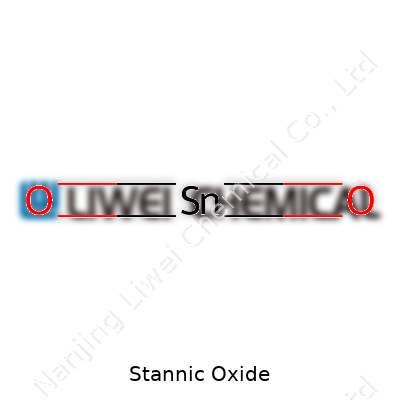
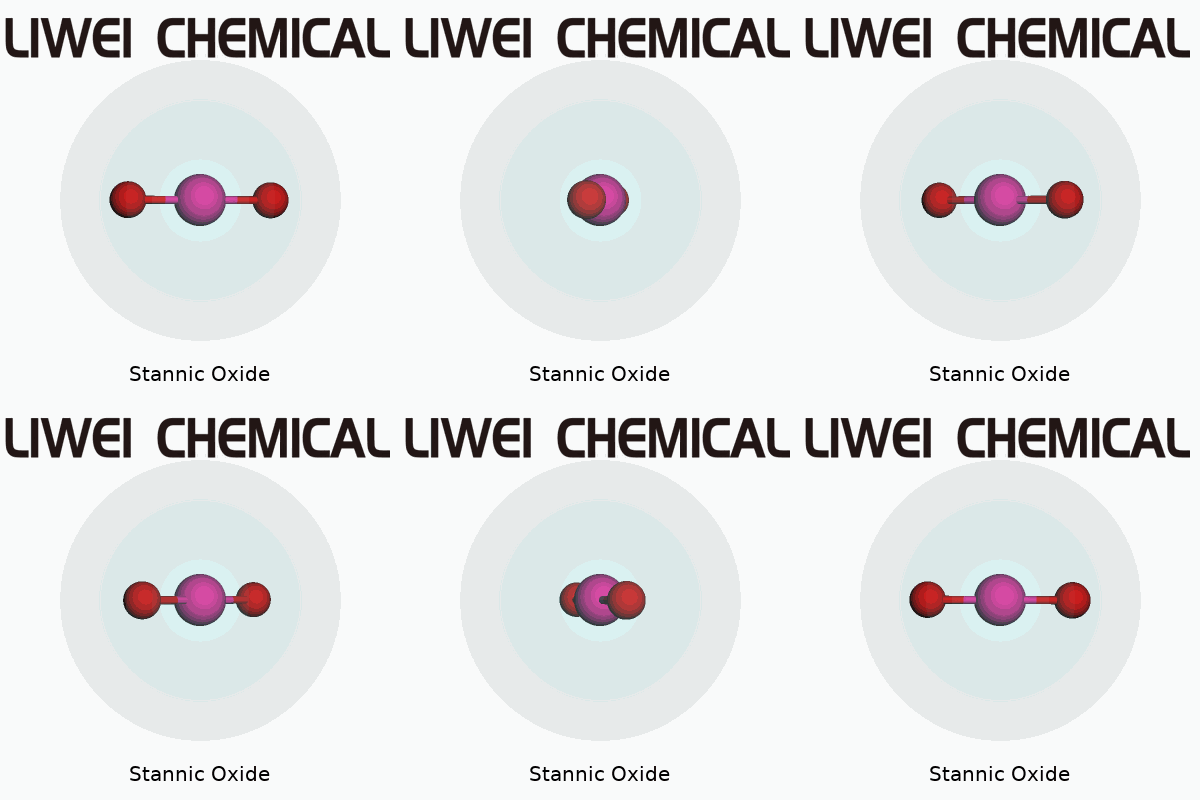
| Names | |
| Preferred IUPAC name | dioxostannane |
| Other names |
Stannic dioxide
Tin dioxide Tin(IV) oxide Cassiterite |
| Pronunciation | /ˈstænɪk ˈɒksaɪd/ |
| Identifiers | |
| CAS Number | 1332-29-2 |
| Beilstein Reference | 0031852 |
| ChEBI | CHEBI:30561 |
| ChEMBL | CHEMBL1201701 |
| ChemSpider | 68174 |
| DrugBank | DB11136 |
| ECHA InfoCard | ECHA InfoCard: 100.029.279 |
| EC Number | 215-607-8 |
| Gmelin Reference | 82173 |
| KEGG | C18600 |
| MeSH | D013708 |
| PubChem CID | 14810 |
| RTECS number | XP7320000 |
| UNII | D7V5L9A44F |
| UN number | UN3269 |
| Properties | |
| Chemical formula | SnO2 |
| Molar mass | 150.71 g/mol |
| Appearance | White powder |
| Odor | Odorless |
| Density | 6.95 g/cm3 |
| Solubility in water | Insoluble in water |
| log P | 0.00 |
| Vapor pressure | Negligible |
| Basicity (pKb) | 13.3 |
| Magnetic susceptibility (χ) | -0.6e-6 cm³/mol |
| Refractive index (nD) | 2.006 |
| Dipole moment | 0 D |
| Thermochemistry | |
| Std molar entropy (S⦵298) | 52.3 J·mol⁻¹·K⁻¹ |
| Std enthalpy of formation (ΔfH⦵298) | -580.7 kJ/mol |
| Std enthalpy of combustion (ΔcH⦵298) | -578.5 kJ/mol |
| Pharmacology | |
| ATC code | V09CX04 |
| Hazards | |
| Main hazards | May cause respiratory irritation. |
| GHS labelling | GHS07, GHS09 |
| Pictograms | GHS07,GHS09 |
| Signal word | Warning |
| Hazard statements | H315: Causes skin irritation. H319: Causes serious eye irritation. H335: May cause respiratory irritation. |
| Precautionary statements | P264, P280, P305+P351+P338, P337+P313 |
| NFPA 704 (fire diamond) | Health: 2, Flammability: 0, Instability: 0 |
| Lethal dose or concentration | LDLo (oral, rat): >10 g/kg |
| LD50 (median dose) | > LD50 (median dose): **>10,000 mg/kg (oral, rat)** |
| NIOSH | KWQ245000 |
| PEL (Permissible) | PEL (Permissible Exposure Limit) for Stannic Oxide: "15 mg/m3 (total dust) as an 8-hour TWA (OSHA) |
| REL (Recommended) | 10 mg/m³ |
| Related compounds | |
| Related compounds |
Stannic chloride
Stannous oxide Stannous chloride |


