
Knowledge
Nickel Hydroxide: Past Lessons, Modern Realities, and Future Promise
Historical Development
Nickel hydroxide's journey stretches back to the mid-1800s, carved through old chemistry texts and the rise of electrochemistry. Early discoveries weren’t driven by curiosity alone; the search for better batteries and metal plating pushed the boundaries. By the twentieth century, this compound played a starring role in nickel-cadmium batteries. Factory floors rang with new processes geared at extracting, purifying, and modifying the substance to suit growing global demand. The postwar boom meant every battery engineer kept nickel hydroxide in their toolbox, not just for power storage, but also to fine-tune corrosion resistance in metal coatings. Industry kept revisiting and refining production methods; research papers tied performance swings back to purity levels and particle size, lessons that took decades to unravel.
Product Overview
Nickel hydroxide often shows up as a light green powder, packed in heavy-duty drums and handled with care. The typical product on the market has a simple structure on paper, Ni(OH)2, but that’s only the skeleton—impurities, moisture content, and the crystal phase decide much of how it will behave in a real application. Product forms span alpha and beta phases, each favored by different industries; alpha brings higher theoretical capacity for batteries, beta charms those needing stability. Scientific attention over the years honed in on phase conversion in service, since battery recharging or cycling can nudge one phase into the other, impacting performance and cycle life.
Physical & Chemical Properties
Nickel hydroxide sets itself apart with a pale green color and a fine, crystalline powder character. On the microscope slide, particles reflect just a little light, turning almost olive under a strong lamp. Its density falls in the 4.1–4.2 g/cm³ range. It’s practically insoluble in water, which makes direct disposal tough but industrial handling safer than some nickel compounds. In the presence of acids, the hydroxide breaks down, releasing nickel ions and water. This reactivity has a practical upside in battery design, as it swings between oxidation states during charging cycles. On heating, dehydration occurs, leaving nickel oxide and releasing water vapor—a process visible in lab beakers as the solid gently darkens.
Technical Specifications & Labeling
Product labeling covers purity levels—anything under 99% nickel content might cause concerns among serious researchers and industry veterans. Particle size generally sits between 1 and 100 microns, but ultra-fine forms command a premium in high-performance batteries. Labels give phase designation (alpha, beta), moisture levels, and occasionally information on trace metals such as cobalt, which can influence both toxicity and electrical behavior. Some producers include batch traceability with QR codes. Material safety data follows national and international rules, pointing out both chronic exposure limits and steps to take in case of spillage or inhalation.
Preparation Method
Large-scale synthesis usually starts with nickel sulfate, which gets merged with sodium or potassium hydroxide under controlled pH and temperature. Operators watch for cloudiness; the pale green precipitate signals product formation. Washing, filtering, and drying follow. If you’re after a high-purity beta form, the process slows down, and the chemistry must be tuned to stifle alpha phase creation. Lab-scale variations introduce surfactants or even template molecules to steer the shape and size, while some manufacturers leverage hydrothermal approaches to push phase purity. Each tweak leaves a mark on battery test results, and years of trial and error built today’s batch-to-batch consistency.
Chemical Reactions & Modifications
The compound’s chemistry comes alive in batteries. Nickel hydroxide flips between divalent and trivalent nickel ions, enabling charge storage and release. Mixing with other metal ions during synthesis can tweak this redox behavior, sharpening discharge rates or stretching service intervals. Some research outfits introduce dopants like cobalt or zinc, shifting lattice parameters to squeeze out a few extra percent in electrical capacity or to speed up charging. Electrochemical cycling can splinter or rebuild these modified structures, demanding a delicate balancing act in blends. Pure lab work aside, chemical reactors on the production floor need to keep impurities low, or the product might underperform by orders of magnitude.
Synonyms & Product Names
Over a century, the terminology has grown thick—with ‘nickel hydrate’, ‘nickelous hydroxide’, and related names used by different suppliers, chemists, or nations. The product may come with an alphanumeric code that marks a specific process or purity grade, especially for battery giants or specialty plating. Catalogs of chemical distributors list all these names, sometimes muddying clarity for new buyers. Customers sift through “green nickel oxide”, “nickel(II) hydrate”, and branded versions optimized for specific cathode recipes, each shaped by marketing or technical nuance.
Safety & Operational Standards
Nickel hydroxide presents known hazards, most importantly through dust inhalation over weeks or months. Repeated exposure has a clear link to respiratory irritation or even chronic conditions. Most countries classify it as a hazardous material; plant workers rely on fume hoods, gloves, and particle masks. Safety Data Sheets draw on studies highlighting skin sensitization rates, nickel allergies, and the fate of fine particles in the body. Storage rules demand cool, dry rooms and airtight containers—the powder clumps from humidity or picks up impurities from the air. Regulatory frameworks in Europe, Asia, and North America each set occupational exposure limits, reflecting years of toxicology data. Modern operations wire in spill safeguards and automated dust extraction, lessons learned from past industrial mishaps.
Application Area
The battery sector snaps up most of the world’s nickel hydroxide, particularly for nickel-cadmium and nickel-metal hydride cells. These batteries still power emergency lighting, electric tools, and hybrid vehicles in many corners of the world. Plating specialists rely on the compound to prep or finish stainless steel and shaped metal components, defending against corrosion and adding a finished look. Pigment makers sometimes use variants for glass or ceramics, drawing on the characteristic nickel green. In lab settings, chemists use it as both a reagent and a starting point for more exotic nickel compounds. Each use brings its own tradeoffs—higher purity fetches higher cost, complex blends target niche performance needs, and handling rules follow the application closely.
Research & Development
The research landscape for nickel hydroxide moves fast, often fueled by ambition to power greener vehicles or build next-gen grid storage. University labs and corporate R&D both chase improvements in charge capacity and cycle life. Advanced routes like nanostructuring, compositional gradients, or hybridizing with graphene headline research journals. Scale-up remains a challenge—ideas proven in glassware fumble among the scale and rigor of factory floors. Funding agencies and venture firms invest heavily, hoping to see rare breakthroughs cross the line from lab notebooks into megawatt-scale battery packs. Interaction with other components inside working cells remains a sticky area; much effort goes into understanding and mitigating undesired chemical side products.
Toxicity Research
Multiple studies indicate that nickel hydroxide dust brings measurable health risks, especially for lung function and allergic responses. Inhalation remains the biggest worry. Medical researchers link industrial exposure with bronchitis and, in rare cases, more severe pulmonary diseases. Toxicologists flag the compound as a suspected carcinogen, and animal models confirm potential impacts on organs well beyond the lungs. Manufacturers track worker health, sharing anonymized data with regulatory bodies and universities working on long-term surveys. Personal protective equipment requirements come from older studies but get revised as new toxicology results emerge. Water runoff from plants also attracts scrutiny, as nickel ions threaten aquatic ecosystems in surprisingly low concentrations.
Future Prospects
Nickel hydroxide stands right at the crossroads of established utility and future innovation. The pressure to decarbonize transport and electricity puts it in the center of battery chemistry upgrades—tinkering with nanostructures, lattice dopants, and recyclability. Companies eye the growing electric vehicle market as a prime destination for new, higher-performing battery blends. Policy shifts toward circular economy push researchers to investigate product life cycles, aiming for safer and more efficient reclamation. Simultaneously, demand for cleaner manufacturing and tougher safety standards keeps producers vigilant. Emerging energy storage demands, from neighborhood solar installations to fast-charging bus fleets, should keep pathbreaking work on nickel hydroxide alive well into the next era.
Batteries Charge Ahead
Nickel hydroxide keeps my old cordless drill and backup flashlight alive. Walk into any hardware store, and you'll find rechargeable nickel-cadmium (NiCd) and nickel-metal hydride (NiMH) batteries. Both use nickel hydroxide for their positive electrode. The science behind these batteries goes back to the last century, but their resilience stands out in a world full of lithium. Every time I switch out a set of rechargeables, I rely on a reaction in nickel hydroxide that allows electrons to flow again and again. Folks running hybrid vehicles, emergency radios, and solar garden lights depend on this simple, greenish substance.
Electric Vehicles Grow Up
Years ago, someone at the auto shop explained that the electric vehicles of the moment run mostly on lithium, but older hybrids use nickel-metal hydride cells. These hybrids, like the early Toyota Prius models, drew their stamina from nickel hydroxide. It gave people their first taste of cleaner driving at a price that didn’t feel out of reach. Nickel-based batteries have high cycle endurance and deal with temperature swings pretty well. This has given engineers a foundation to build on—proof that batteries can last years before losing their punch. Even as carmakers chase new chemistry, nickel hydroxide shows up in vehicles that keep rolling past 100,000 miles.
Electroplating and Industry
Nickel hydroxide lends a hand in more places beyond batteries. Watchmakers and appliance manufacturers use electroplating to give metal surfaces a shiny, corrosion-resistant finish. The process often uses nickel compounds, and preparing nickel metal starts with nickel hydroxide. By providing a reliable feedstock, it helps industry produce cutlery, tools, bathroom fittings, and even the coins in my pocket. Sometimes, manufacturers pick nickel over chrome for its softer sheen and resistance to acidic cleaners—practical choices rooted in everyday utility, not just looks.
Chemical Pathways and Pigments
Nickel hydroxide’s green shade hints at another life: pigment for coloring ceramics and glass. Potters and glass artists add small amounts to glazes and stains for subtle green hues. In laboratories, chemists turn nickel hydroxide into other specialty chemicals—nickel oxide, nickel salts, or catalysts that find their way into electronics or environmental filters. These routes rely on nickel hydroxide’s stability, making it easier to store, transport, and react exactly when needed.
Sustainable Supply Matters
Nickel isn’t rare, but supply chain hiccups often strain battery prices and slow tech progress. Increasing recycling rates for old batteries recovers a significant portion of nickel hydroxide. Big recycling plants now pull nickel hydroxide out of spent cells before sending the rest to smelters. This reduces the push for risky mining and keeps toxic scrap out of landfills. The world already produces over a hundred thousand tons of this compound a year. Each bit squeezed from a dead flashlight or car battery means less pressure on fragile soils and forests.
The Search for Better Batteries
Lithium power grabs headlines, but the tried-and-true chemistry of nickel hydroxide still matters. It underpins the tech in countless emergency tools, toys, and backup systems. It teaches engineers what durable real-world power storage looks like. In the push for affordability and recycling, nickel hydroxide blends tradition, performance, and know-how. For anyone who swapped batteries before recharging became easy, its value is already clear.
Nickel Hydroxide: More Than Just a Battery Ingredient
Nickel hydroxide pops up everywhere these days, especially in rechargeable batteries and a variety of industrial processes. Some folks primarily link it with those greenish layers found in old nickel-cadmium cells. At a glance, this chemical just seems like another compound in an endless list of battery ingredients. Yet when it lands on workbenches and factory floors, the story grows more complex, especially around safety.
Health Risks That Matter
Nickel by itself has a lousy reputation among health experts, mostly due to its tendency to kick up allergic reactions and mess with lung tissue. Nickel hydroxide poses its own risks. Existing studies don’t mince words: it’s toxic if inhaled over the long term. The powdery stuff easily gets airborne and, if folks breathe enough dust for months or years, it can trigger chronic lung conditions. Some long-term workers dealt with asthma-like symptoms, and the compound gained attention in cancer studies, which raised flags about potential links to lung cancer.
I have seen machine operators go home with irritated skin that never seems to heal. Turns out nickel compounds, including hydroxide, drive skin sensitization and lead to nasty rashes. It’s not a stretch—just think about how common nickel allergies are from jewelry. Multiply that kind of exposure across a workweek, and you quickly run into trouble.
Environmental Concerns: More Than Just the Air
Factories handling nickel hydroxide have to keep an eye on where their waste winds up. Spills or improper storage wash into water supplies and hang around in soil for years. Fish and aquatic life suffer from toxicity when concentrations get too high. A bit of nickel entering a stream may sound harmless, but data from the National Institute for Occupational Safety and Health (NIOSH) shows that local animal populations can see a real dip even from brief spikes.
Keeping People Safe: Solutions From the Field
Clamping down on risks takes more than just a warning sign on a door. At facilities I visited, controlling dust made the biggest difference. Simple changes like better ventilation near mixing vats, or using enclosed conveyer belts, cut airborne nickel hydroxide dramatically. Workers have found that switching gloves and washing hands often slice down on skin reactions. Quick-access eyewash stations mean no one hesitates to rinse off after a splash.
Regulators in North America and Europe both put caps on allowable amounts of nickel in the air. Sites that take these numbers seriously—tested air, routine blood tests, proper handling gear—see far fewer medical complaints. There is a direct connection between enforcing these rules and building a safer workplace culture. That means less lost time, happier staff, and fewer incidents in the news.
Thinking Beyond the Job Site
Nickel hydroxide is not a household name, but its hazards reach far. It’s a chemical that rewards caution. For me, knowing the science behind those green powder stains on a lab coat helps keep the dangers in focus. Safer handling comes down to a mix of smart engineering, strong rules, and a workforce that knows what’s at stake. No over-the-top measures—just straightforward respect for something that’s both incredibly useful and potentially hazardous.
Nickel Hydroxide: A Closer Look at the Chemistry and Its Impact
Nickel hydroxide might sound like just another lab material, but the name pops up whenever the topic of batteries, rechargeable gadgets, or green energy comes around. Its chemical formula, Ni(OH)2, gives us nickel combined with two hydroxide groups. One quick glance at this simple formula, and it’s clear: this isn’t some obscure chemical only used in research. Nickel hydroxide finds a way into tech that powers daily routines.
How a Simple Compound Shapes Modern Devices
For most of us, chemistry class is just a memory, but real-world applications matter. During my college years, I learned that nickel hydroxide boosts the performance of nickel-cadmium (NiCd) and nickel-metal hydride (NiMH) rechargeable batteries. Toss the Ni(OH)2 powder into a battery cell and it works as an active electrode material. Each time a phone, camera, or an old cordless drill holds a charge, there’s a good chance nickel hydroxide helped store that energy. The greenish powder does its job reliably and quietly, recharging again and again.
Environmental Concerns: What's at Stake?
Nickel hydroxide, like most metal-based compounds, needs proper handling. Its production and disposal leave an environmental footprint. Many battery-powered products wind up in landfills. Nickel compounds can seep into soil and water, prompting regulatory agencies to keep a close watch on recycling practices. I’ve seen collections for batteries at local hardware stores and libraries. The push to separate rechargeable batteries from trash matters. It cuts down on heavy-metal pollution and helps recover valuable materials. The Environmental Protection Agency in the U.S. backs programs to steer these products back into the manufacturing loop.
Improving Battery Safety and Longevity
Nickel hydroxide delivers reliable energy storage, but every battery loses capacity over time. Heat, deep discharging, or improper charging knocks years off a product’s lifespan. After talking with a handful of engineers in the battery industry, the message stands out: consistent maintenance and proper disposal make a difference. Smarter chargers and improved battery management systems can squeeze extra cycles out of each cell. R&D teams experiment with ways to tweak the nickel hydroxide formula, making it more stable without driving up costs.
What Can We Do Better?
Charging responsibly goes a long way, but consumers rarely get all the facts on what’s inside their devices. Labeling has improved, but transparency still lags. Manufacturers and recyclers can step up outreach, making sure it’s easy to drop off used batteries. Community-run electronics drive-thrus or mobile collection events turn good intentions into real numbers. A united effort keeps nickel hydroxide and other chemicals in controlled cycles instead of landfills.
The Future for Nickel Hydroxide
Tech companies bet on new battery types, but nickel hydroxide plugs along, handling the daily grind. As more counties commit to recycling, this compound stays out of waterways and unsafe dumps. Learning from these efforts, we gain perspective on the practical chemistry in our pockets and garages. Nickel hydroxide, with its Ni(OH)2 structure, puts reliable power behind the gadgets we reach for every day. For me, understanding what’s behind that power brings a bit more respect to every click of a fully charged device.
Why Extra Care Counts
I’ve worked around chemicals before, and there’s a simple truth anyone can understand: the products in those dull drums and containers often cause real problems when basic precautions slide. Nickel hydroxide falls into that category. Many people underestimate its hazards because it doesn’t give off fumes or show obvious dangers on day one. That’s how mistakes happen.
What’s At Stake
This compound gets used in batteries, ceramics, and electroplating. Those sound routine, but touching nickel salts or breathing their dust can trigger skin rashes, asthma, and even long-term lung issues. Nickel compounds turn up on lists of substances with known cancer risks. Each scoop of powder, each container stacked in a storeroom, needs respect.
Practical Storage
Experience has taught me that chemicals last longer and pose fewer risks when kept dry. Shelves in a dry, well-ventilated spot beat a drafty, humid warehouse every day. Nickel hydroxide absorbs water from the air, turning clumpy or sticky, which makes spills more likely. Humidity also worsens corrosion risks for storage drums and shelves. Investing in a dedicated cabinet with a lock—metal for strength, lined against corrosion—pays for itself. Never store it near acids or strong oxidizers. Even one leaky bottle nearby can start a reaction that spirals out of control.
Labels and inventory tracking sound boring but stop confusion. Accidents climb when someone mixes up containers during restocking. Double-check the labels. Skip the “fancy script” for clear, weatherproof print. Keep the material safety data sheet close by, not buried at the other end of the building.
Safe Handling in Real Life
Dust clouds may not look like much, but the risk gets real once nickel particles drift through the air. N95 or P100 respirators protect the lungs. Goggles and gloves shield against direct contact. I’ve seen more than a few people shrug off the simple gear, only to end up in the nurse’s office washing out irritated eyes or skin.
Those splash risks justify investing in a good fume hood or local exhaust system, even for a “quick job.” Don’t pour waste powder or rinse water down the drain. Waterways picking up nickel salts threaten wildlife and water quality. Waste needs containment and proper labeling, waiting for certified disposal. I’ve watched labs get fined or shut down because one person sent rinses down the wrong sink.
Emergency Planning for the Unpredictable
No matter how careful people might be, someone will drop a beaker or tip a drum. Spill kits with absorbent pads, neutralizing agents, and sealable disposal bags belong nearby. Staff training at the start of every year, with real-life drills, keeps everyone ready. Complacency sets in fast if safety feels theoretical.
Respect Brings Results
Real safety comes from a mix of clear rules and consistent practice. Anyone responsible for chemicals picks up habits from mentors and personal experience, not just rules on paper. Routine walks through storage areas reveal leaks and wear before crises hit. Surveys from occupational safety groups back up what seasoned workers know: safe habits and good storage drive down injuries, protect the environment, and convince insurance companies to offer better rates.
Working around nickel hydroxide or dozens of other “ordinary” chemicals relies on the same message—show respect, think about tomorrow, and stick with what works. Simple steps beat high-tech fixes every time.
Understanding Purity in Nickel Hydroxide
Purity in nickel hydroxide makes all the difference in real-world applications. Whether you’re working in battery manufacturing or electronics, contaminants can ruin results fast. Nickel hydroxide with a purity level above 99% lets you start off on the right foot. Lower grades, sometimes dipping below 98%, bring in unwanted elements like copper, iron, cobalt, and zinc. Even trace amounts create headaches for engineers: lower battery capacity, corroded contacts, sluggish reactions.
From personal experience, struggling with inconsistent results isn’t rare when the baseline material isn’t reliable. Little things—like a 0.2% difference in iron concentration—flip the outcome of a batch in a big lab. That’s why so many teams spend as much time vetting raw material sources as they do refining their own processes.
Diving into Key Specifications
People ask for more than just purity numbers. Particle size shapes how nickel hydroxide behaves in the end product. Smaller particles react faster and help build stronger connections in electrodes. For battery makers, granule size between 1 and 10 microns means smooth coatings, efficient charging, and less waste. Go larger and you see poor performance—too small and handling turns into dust horror stories.
Moisture content also matters. Hydrated samples, often tagged as Ni(OH)₂·xH₂O, risk breaking down or clumping. For critical tech projects, less than 0.5% moisture means less time spent drying and more time getting results. High moisture drags out drying time, clogs equipment, sometimes even sparks unexpected side reactions in high-power settings.
Density—both bulk and tap—gets overlooked but can mess with dosing systems and storage planning. For large-scale users, a predictable density such as about 1.0 to 1.5 g/cm³ means batching stays on target. Without that, automation halts and product output dips.
Why Purity and Specification Directly Affect Outcomes
A mismatch between needed and supplied purity levels leads to breakdowns in performance. The rise of electric vehicles has made this more obvious. A batch of high-nickel batteries running on lower-grade hydroxide loses charge faster and risks overheating. The industry doesn’t just talk quality—they feel the difference in warranty costs and customer complaints.
Strict adherence to these specs isn’t a formality. Regulations in the EU, US, and East Asia push companies to show traceability in their supply chain, tracking not only the source of nickel but also reporting on every impurity. That transparency isn’t just paperwork; it’s insurance against product recalls and loss of market credibility.
How the Industry Can Move Forward
Relying on well-documented and regularly tested sources continues to pay off for teams aiming for long-term growth. Switching suppliers—sometimes for a tiny cost saving—kills progress as batches get unpredictable. It makes more sense to lock into consistent sourcing deals, combined with in-house spot-testing for every lot. Experiences in the field show that partnerships with quality-minded miners and refiners protect everyone down the line.
Cleaner production methods, like hydrometallurgical routes, give companies an edge. Waste drops, and off-spec shipments become rare. The future might bring more closed-loop recycling, reducing impurities before they reach the factory door. Making a call for routine transparency, regular reporting, and tighter partnerships will keep nickel hydroxide users at the top of their game and the tech running reliably.
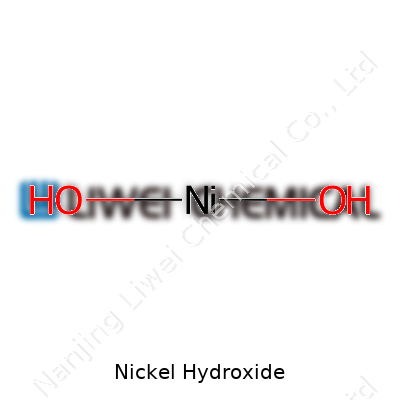
| Names | |
| Preferred IUPAC name | Nickel(2+) dihydroxide |
| Other names |
Nickel(II) hydroxide
Nickelous hydroxide Ni(OH)2 |
| Pronunciation | /ˈnɪk.əl haɪˈdrɒk.saɪd/ |
| Identifiers | |
| CAS Number | 12054-48-7 |
| Beilstein Reference | 3613796 |
| ChEBI | CHEBI:33348 |
| ChEMBL | CHEMBL1287263 |
| ChemSpider | 82123 |
| DrugBank | DB14525 |
| ECHA InfoCard | 'ECHA InfoCard' for product 'Nickel Hydroxide' is **"100.028.314"** |
| EC Number | 215-222-5 |
| Gmelin Reference | Ni-OH-02 |
| KEGG | C18797 |
| MeSH | D009539 |
| PubChem CID | 14797 |
| RTECS number | RA0350000 |
| UNII | 9AK320AAY8 |
| UN number | UN 3288 |
| Properties | |
| Chemical formula | Ni(OH)2 |
| Molar mass | 92.71 g/mol |
| Appearance | Pale green crystalline solid |
| Odor | Odorless |
| Density | 3.05 g/cm³ |
| Solubility in water | Insoluble |
| log P | -38.5 |
| Vapor pressure | Negligible |
| Acidity (pKa) | 11.1 |
| Basicity (pKb) | pKb = 4.15 |
| Magnetic susceptibility (χ) | +1400.0e-6 cm^3/mol |
| Refractive index (nD) | 2.13 |
| Dipole moment | 0 D |
| Thermochemistry | |
| Std molar entropy (S⦵298) | 68.0 J·mol⁻¹·K⁻¹ |
| Std enthalpy of formation (ΔfH⦵298) | -230 kJ/mol |
| Pharmacology | |
| ATC code | V07AV04 |
| Hazards | |
| Main hazards | Toxic if swallowed, in contact with skin or if inhaled; may cause an allergic skin reaction; suspected of causing cancer; causes damage to organs through prolonged or repeated exposure; very toxic to aquatic life with long lasting effects. |
| GHS labelling | GHS07,GHS08,GHS09 |
| Pictograms | GHS07,GHS09 |
| Signal word | Danger |
| Hazard statements | H302, H317, H334, H341, H350, H360D, H372, H410 |
| Precautionary statements | P260, P264, P273, P280, P301+P312, P302+P352, P304+P340, P305+P351+P338, P308+P313, P330, P332+P313, P333+P313, P337+P313, P362+P364, P405, P501 |
| NFPA 704 (fire diamond) | 2-0-0 |
| Explosive limits | Not explosive |
| Lethal dose or concentration | LD50 (oral, rat): > 5,000 mg/kg |
| LD50 (median dose) | > LD50 (median dose) of Nickel Hydroxide: **9,700 mg/kg (oral, rat)** |
| NIOSH | NR4025000 |
| PEL (Permissible) | 1 mg/m3 |
| REL (Recommended) | 0.2 mg(Ni)/m3 |
| IDLH (Immediate danger) | 10 mg/m3 |
| Related compounds | |
| Related compounds |
Nickel(II) oxide
Nickel(II) chloride Nickel(II) acetate Cobalt(II) hydroxide Copper(II) hydroxide |


