
Knowledge
Cupric Citrate: A Closer Look
Historical Development
Chemistry has put copper to work for centuries, starting with coins, water vessels, and pigments in ancient cultures. Chemists started understanding copper’s chemical relationships as early as the 1700s, documenting its behaviors and learning to pair it with other elements. Citric acid, derived first from lemons, found its own following in European science labs due to its unique chelating properties. Scientists started mixing copper salts with citric acid to see what would happen, marking the birth of cupric citrate. Early pharmaceutical projects used copper compounds for antimicrobial formulations. As technology matured, labs refined the process, aiming to create stable copper complexes with higher purity and new functional possibilities. By the mid-20th century, cupric citrate began drawing attention in nutrition science and catalysis, evolving further as research in animal feed supplements and green chemistry programs deepened.
Product Overview
Cupric citrate stands as a copper(II) salt formed from copper ions and citric acid. It appears as a soft, blue-green crystalline powder, soluble in water, delivering both copper and citrate to any formula. This compound finds its way into agriculture as a trace mineral in feeds and fertilizers, into health industries as a supplemental copper source, and into chemical research for its unique binding and redox characteristics. More than a source of copper, it leverages the chelating strength of citrate, making metals available in biological processes without shifting the pH of the whole system. Some formulations lean on it for its antimicrobial punch, others use it for its ability to control copper release in controlled environments.
Physical & Chemical Properties
Anyone handling cupric citrate should notice its vivid blue-green color, which speaks to active copper content. Chemically, the molecule brings together copper(II) ion (Cu2+) and citric acid (C6H8O7), giving it the formula Cu3(C6H5O7)2•xH2O, where x varies depending on hydration. This powder generally dissolves in water, forming a slightly acidic solution, but resists most organic solvents thanks to its ionic bonds. It holds up under heat to a certain extent but will lose water if left in a dry environment. Its pH leans mild and acidic, often ranging from 3.5 to 4.5 in standard solutions. Proper storage keeps the powder from clumping or breaking down, especially in humidity, and regular checks ensure copper content stays within spec.
Technical Specifications & Labeling
Producers typically specify copper content by percentage weight (between 20% and 25% for most applications), hydration state, bulk density, and particle size distribution—critical for consistent mixing and predictable feed delivery. Labels follow clear guidelines, listing CAS number 866-82-0, purity, batch date, and country of origin. Tight tolerances matter most in regulated dietary and pharmaceutical markets. Labels also warn of toxicity risks and environmental considerations; copper can accumulate in soil or water if improperly managed. Technical sheets show compatibility with other supplements, solubility curves, and the recommended dosages for animals, crops, or chemical reactions. Meeting global and regional standards remains essential since food safety authorities and environmental agencies keep a close watch on copper compounds.
Preparation Method
Making cupric citrate starts with selecting a pure copper(II) salt—often copper sulfate or copper carbonate—and stirring it into a warm, aqueous citric acid solution. Under vigorous mixing, copper ions quickly grab onto citrate ions, forming a solid precipitate or a stable, soluble complex depending on temperature, reaction time, and acid-to-base ratio. Skilled operators filter and wash the crystals, then dry them gently at low temperatures. Monitoring pH and copper concentration is crucial since too much acid can leave unreacted citrate, and too much base can lock copper away as hydroxide. Some plants choose to recycle copper-containing byproducts, cleaning and reprocessing them in closed systems to cut down on waste and cost.
Chemical Reactions & Modifications
Cupric citrate can jump into a variety of reactions because its citrate ligand both stabilizes copper ions and coordinates with other molecules. It acts as a mild oxidant in solution, giving up or taking electrons in redox reactions commonly used in industrial and lab-scale organic syntheses. Under basic conditions, it may form copper hydroxide or oxide, both marketable copper products in their own right. Mixing it with other metal ions can generate mixed-metal citrate complexes. Controlled heat and moisture exposure can reduce or oxidize the copper content, tweaking the product for specific needs in electronics or ceramics. Chemists experiment with anaesthetic ligands or organic acids to further tune solubility and bioavailability, keeping the molecule’s core intact while aiming for performance upgrades.
Synonyms & Product Names
Cupric citrate goes by several names, including copper(II) citrate, tricopper dicitrate, and copper citrate tribasic. In industry catalogs, it might appear as CuCit or CuCit2 depending on regional naming conventions and hydration. Sometimes called copper citrate salt in less formal settings, it’s important not to confuse this substance with copper(I) citrate, which has a very different oxidation state and risk profile. Retail packages for the agri-nutritional sector use broader language, occasionally just listing it as “trace copper supplement” or “copper chelate.” These naming choices reflect shifting standards, language differences, and marketing slickness, but smart users rely on chemical formulas and CAS registry numbers to cut through any confusion.
Safety & Operational Standards
Every operator working with cupric citrate ought to treat it with respect. Copper compounds, while essential in trace amounts for plants and animals, can sicken workers and contaminate local waterways in uncontrolled settings. OSHA and EPA guidelines set limits for exposure—powdered cupric citrate irritates eyes and lungs if inhaled, particularly during bulk transfers or mixing. Workers need gloves, goggles, and proper skin cover. Spills should stay isolated and cleaned up with minimal dust, avoiding runoff into water drains. Storage must follow strict temperature and moisture controls to prevent caking and accidental mixing. In food and feed sectors, regulations demand routine tests for heavy metals, batch tracking, and documentation to protect consumers and livestock from overdoses. Recyclers now reclaim much of the copper that once ended up as waste, helped along by tight process monitoring and closed-loop management.
Application Area
Farmers use cupric citrate for more than just plugging micronutrient gaps. Its easy handling and water solubility let it blend into hydroponic solutions and irrigation plans, providing copper in forms plants take up quickly. Aquaculture feed formulations include it to support fish development, as copper is key to enzyme activity and immune function. Nutritionists studying animal diets find it a stable, safe way to fortify herds without risking copper toxicity or interactions with other dietary elements. Chemists harness cupric citrate for controlled redox chemistry, catalyzing reactions in both polymers and pharmaceuticals. Its mild acidity and chelating power open new possibilities for recovering metals from electronic waste and sludges, connecting food, chemistry, and environmental cycles in ways that matter for the future.
Research & Development
Labs investigate how copper from citrate chelates absorbs in animal and human bodies compared to inorganic salts like copper sulfate. Early evidence suggests citrate forms increase copper’s availability, supporting mineral delivery in low-dose supplements while lowering upset stomach complaints. Green chemistry teams run trials to use cupric citrate as an oxidation catalyst under mild conditions, hoping to move industry away from harsher chemicals. Agronomists now try blending cupric citrate with other trace minerals in “smart supplements” for soil restoration, targeting nutrient shortages in high-value crops. University research explores copper-citrate complexes as targeted antimicrobials in wound care materials and surface coatings, looking for effectiveness without breeding resistance or risking long-term toxicity.
Toxicity Research
Copper earns its place in every cell, but too much quickly becomes poison. Toxicologists track the precise doses of cupric citrate that livestock and humans can safely handle; copper overload causes liver and kidney damage, digestive upset, and can even kill in extremes. Studies show that most accidental overdoses come from improper mixing or a lack of oversight, not from intentional misuse. Researchers use animal models measuring blood copper and waste outputs, along with histopathology, to build out safety margins and define legal limits. Environmental screens also matter, as copper-rich leachates coming from repeated applications pile up in soils or ponds, throwing off ecological balance by harming microbes and aquatic life. The solution isn’t to quit copper—a life-essential element—but to fine-tune safe doses, improve delivery technology, and recycle what we use.
Future Prospects
Sustainable technology, food security pressures, and regulatory crackdowns on heavy metals shape cupric citrate’s path forward. Manufacturers push to develop new grades of the compound fitting organic farming, precision hydroponics, and smart animal nutrition. Pharma research pushes copper-citrate combos toward advanced dental and wound care, seeking safe, slow-release antimicrobial agents. New recycling methods target electronic scrap and spent batteries, pulling copper out for re-use as citrates instead of smelting, cutting greenhouse emissions. Analytical chemistry seeks better ways to measure and monitor copper levels in products and the environment. Society learns more about mineral imbalances linked to both deficiency and surplus, giving copper compounds—cupric citrate among them—a place in the broader story about health, technology, and planetary resilience.
Understanding What Makes Cupric Citrate Useful
Cupric citrate comes up pretty often in conversations about trace minerals. Copper gets a lot less attention compared to iron or calcium, yet it plays a steady, often overlooked role in daily nutrition and health. Unlike its better-known cousins, copper supports energy production, iron metabolism, healthy skin, and sturdy bones. What makes cupric citrate stand out is its form; it offers copper bound to citric acid, which the body absorbs more efficiently than some other sources. That matters for people and animals struggling to keep copper levels in a healthy range.
The Impact in Animal Nutrition
I’ve noticed that in the world of feed and agriculture, cupric citrate appears on ingredient lists for a good reason. Farmers trust it as a reliable way to boost copper in livestock diets. Too little copper leads to trouble in animals: rough coats, stunted growth, and dullness. Dairy cows, sheep, swine—they all benefit from the extra mineral when regular feed falls short. Unlike inorganic forms, cupric citrate provides a version of copper that doesn’t just sweep through the system unused. Research shows it can stay available in the gut, improving absorption and value for growth and health. The result is better productive performance—healthier herds, higher yields, fewer disease outbreaks.
Supplying Human Needs
People face similar issues with copper deficiency, though less common. Chronic low copper connects to weakness, frequent illness, and issues with the nervous system. Supplements containing cupric citrate help fill nutritional gaps, especially for those on diets lacking red meat, nuts, seafood, or leafy vegetables. The citrate bond helps with uptake—studies indicate improved bioavailability, so the body can actually use the copper instead of passing it out. Some multivitamins add cupric citrate to avoid upsetting the stomach, which sometimes happens with copper sulfate or gluconate. Food fortification also relies on this form; it blends into products without changing flavor or texture.
Beyond the Basics: Medical and Industrial Uses
The reach of cupric citrate runs wider than food and feed. Medical devices sometimes use copper compounds for antimicrobial coatings, thanks to copper’s ability to reduce bacterial growth. Citric acid’s presence seems to help stabilize these applications. I’ve seen projects in water treatment try out copper salts, though that use requires careful regulation to avoid too much copper getting into the water supply.
Weighing Safety and Environmental Concerns
Any trace mineral, copper included, brings possible side effects when taken in large amounts. Too much copper—no matter the source—can be toxic. Early signs include nausea and stomach pain. In the environment, copper runoff from farms and factories harms aquatic life. That has led to stricter guidelines in both agriculture and manufacturing. Responsible use ties into training, regular soil and water testing, plus tighter product labeling in human nutrition. These steps help prevent overdosing and protect both people and the planet.
Moving Forward
Cupric citrate fills a practical role. Its main value comes from helping prevent or correct deficiencies without carrying along too much baggage—few side effects, good absorption, and flexible use. Education matters most: farmers, families, and manufacturers all make better decisions when they understand not just what’s in a supplement, but why it matters, and how to fit it wisely into a diet or a process. Investment in research, broader transparency, and a focus on safe copper management all add up to healthier outcomes, both on the farm and at home.
Looking at Cupric Citrate: What We Know
People talk a lot about food additives and dietary supplements these days. Cupric citrate pops up in ingredient lists on some vitamins and health products. Companies promote it as a good way to get extra copper. The big question is whether it’s actually safe to eat. I’ve spent some time studying food and nutrition, so seeing another mineral supplement hit the shelves makes me curious. Everything in nutrition comes down to how the body handles a nutrient and what science says about its effects.
Why Copper Matters and Where Cupric Citrate Fits
Copper supports enzymes in the body that control energy production and help iron do its job. Most of us get copper from foods like nuts, seeds, whole grains, shellfish, and organ meats. Few people have copper deficiency, but supplement makers claim many need a boost. Cupric citrate, a copper salt with citric acid, gets used in supplements because it mixes well and the body absorbs it better than some other forms.
What Research Tells Us About Safety
The U.S. Food and Drug Administration (FDA) approves copper as a trace mineral, and copper citrate falls under that umbrella. The European Food Safety Authority (EFSA) and World Health Organization (WHO) both set clear guidelines about daily copper limits. For adults, the safe upper intake sits at about 10 mg a day from all sources. Regular multivitamins usually contain less than 1 mg, well within the safe range. Research on cupric citrate’s absorption and toxicity suggests it isn’t any more dangerous than copper gluconate or copper sulfate, which appear in multivitamins and fortified foods. Most clinical studies focus on copper in general rather than cupric citrate specifically. No health authority singles out cupric citrate as unsafe at commonly used levels.
The Issue with Too Much
Any mineral can cause trouble at high doses. Copper poisonings usually result from large, accidental exposures, not from a few days of supplements. Signs include stomach pain, nausea, or in severe cases, liver damage. People with genetic disorders like Wilson's disease can’t control copper levels well, so for them, any copper supplement could bring serious harm. For most healthy people, it’s tough to reach toxic levels just by eating fortified food or taking a standard supplement as directed. Still, worry about overdosing crops up with certain diets that pile on multiple fortified foods and supplements at once. Copper stacks up over time in the body, so daily habits matter. If you already get enough copper from diet, adding a supplement doesn’t bring more benefits and raises risk.
How to Make Informed Choices
Copper shows up in many everyday foods, making it rare to come up short. Reading nutrition labels helps to keep tabs on your intake. If you’re considering cupric citrate specifically, check the amount of copper on the supplement facts panel and compare it to daily recommendations from sources like the National Institutes of Health. If you have any type of liver disease or rare metabolic condition, talk with your doctor before adding any copper-based product. If you don’t fall into those categories and stick to suggested doses, research and regulatory agencies show no evidence that cupric citrate brings any extra risk compared to other common copper forms.
Getting to Solutions
Food makers and supplement brands need to offer full ingredient information and sensible dosing. People should keep track of everything they eat and drink, not just one pill. Nutrition education goes a long way: most shoppers don’t need extra copper, but if concerns about deficiency exist, a doctor or registered dietitian can test levels before recommending a supplement. For industry and regulators, monitoring copper content in products keeps consumers safe and helps everyone spot problems before they get out of hand.
Cupric Citrate in a Nutshell
I learned about cupric citrate during an undergrad lab, standing by a spectrophotometer and wondering why my copper solution turned a wild blue color with citric acid. That color made a story about copper’s chemistry stick in my head. Cupric citrate, a compound combining copper and citric acid, carries the formula Cu3(C6H5O7)2. Sometimes, formulas can look intimidating, but this one shows three copper(II) ions—the “cupric” part—paired with two citrate groups.
The Role of Citrate
Citrate is a tricarboxylic acid, a multi-toothed molecule made to grab onto metals. In compounds like cupric citrate, citrate binds copper through its carboxyl and hydroxyl groups. These bonds anchor copper tightly enough to keep it dissolved and useful. You’ll spot citrate all over biochemistry: part of the famous Krebs cycle, part of what runs in every cell. When it grabs copper, it keeps it soluble—helpful in supplements, agriculture, and research.
Why the Formula Matters
Getting the formula right changes everything in labs and industry. In one of my first product projects, a supplier shipped us the “wrong” copper salt—what seemed trivial became hours of troubleshooting. Cupric citrate’s formula isn’t just for trivia buffs. The ratio of copper to citrate defines its weight, reactivity, and safety. For nutrient blends, livestock feeds, and food fortification, the element content in cupric citrate controls how much copper you’re actually delivering.
Mistaking it for copper(I) citrate, which runs with a different formula, could throw off calculations and end up in batch recalls — something no manufacturer wants. Regulatory filings for food or supplements ask for clear copper content, heavy metal risk, and identity confirmation. This formula ensures each batch stays within label claims and meets health standards. In toxicology, the wrong copper salt could increase copper release, bringing unwanted toxicity to crops or animals. So, the formula for cupric citrate is more than an academic label—it’s a safety checkpoint.
Real-World Uses and Challenges
Cupric citrate lands in animal feeds, dietary supplements, and some foods. As a choice for copper delivery, it’s less corrosive than simple copper salts, doesn’t taste as strong, and its solubility boosts bioavailability. In my experience with supplement development, this compound lands on ingredient panels for one big reason: copper’s essential for health—it helps enzymes, supports immune response, and builds red blood cells. Farmers lean on cupric citrate for copper nutrition in livestock, counting on precise blends that match the chemistry of the compound, not just a generic copper label.
Improving Practices With Facts
Companies and labs reducing formulation mistakes use reliable supply chains, proper chemical specifications, and frequent batch testing. Reference labs can check the ratio of copper and citrate by atomic absorption spectroscopy and chromatography. When customers, regulators, and partners push for label transparency, it keeps the focus on facts—not marketing claims or wishful thinking. Every time a quality check nails the ratio Cu3(C6H5O7)2, confidence grows, both in safety and product value.
Making Chemistry Accessible
In a world where ingredients show up in everything from cattle feed to vitamins, clear chemical formulas build trust. Cupric citrate—Cu3(C6H5O7)2—serves as a small detail carrying a big impact. Shaky math or the wrong salt can ripple all the way to consumer health. Getting these details right matters more than many realize.
Everyday Experience Shows the Details Count
Cupric citrate plays a role in science labs, food processing, and sometimes even nutritional supplements. Anyone who has spent time around chemical storage knows the risks stretch beyond spills or mess. It's about protecting people, property, and the chemical itself. Too much moisture, sunlight, or heat quickly turns a safe substance into a hazard—or ruins the product entirely.
Real-World Storage Looks Like This
Cupric citrate works best when it spends its “off-hours” in a spot that stays dry and cool. Humidity eats away at the product by making it clump or break down before anyone ever gets a chance to use it. Water-reactive chemicals have ruined more than a few experiments and put a dent in budgets.
Many labs use basic strategies—sealing containers tightly right after use and double-checking shelves for leaks or excess dampness. I’ve seen bins labeled with big bright warnings just to remind new staff this compound deserves some respect. Everybody wants to avoid contamination, especially since dust and airborne particles sneak into open bags or loose lids faster than you think.
Avoid Light and Heat for the Sake of Stability
Direct sunlight delivers another major headache. Light causes slow changes in chemical structure, sometimes leading to color fading or weakening the compound. In one lab, a jar left close to a window showed visible degradation after a single summer week—money and hours down the drain. Storage away from sunlight cuts these risks way down.
Raising the temperature speeds up chemical changes. Most places keep cupric citrate at normal room temperatures, away from heating vents or equipment that gives off steady warmth. This isn’t fussy or over-the-top—it’s just practical. If the compound form breaks down, purity goes out the window, and lab results turn unreliable. Poor storage choices push companies toward waste and slow down their project timelines.
Solid Containers Make a Difference
Relying on the original container keeps cross-contamination to a minimum. Quality packages, often made of HDPE plastic or glass with tight screw-on lids, block out both air and stray particles. Repackaging in old jars or thin bags leads to headaches. Safety teams stress this simple fix—keep things labeled and double-sealed where it makes sense.
Labeling matters as much as the container. Clear, bold stickers listing the chemical's name, hazard level, and date packed help stop mistakes before they happen. I’ve seen mishaps traced to faded or missing labels rather than the chemical itself. Sturdy shelves, preferably chemical-resistant and easy to clean, prevent breakage and spills, especially if the storage area gets traffic throughout the day.
Keep Food and Flammables Far Away
Accidents happen in spaces packed with incompatible chemicals. Cupric citrate should never sit close to acids, bases, or flammable materials. Flare-ups and dangerous reactions seem far-fetched until a closed storage room gets too warm, or containers jostle together during cleaning. Every lab safety manual points this out, and it’s just common sense born of hard-learned lessons.
Clean storage areas with regular checks help spot leaks or damaged packaging before trouble really starts. Many facilities set up a rotation schedule—fresh inventory moves to the back, older stock gets used first. This rotation stops outdated supplies from lurking at the back of a shelf until they go bad. People notice the difference when workplaces take these steps. Health stays protected, accidental waste drops, and the chemical remains usable for the work at hand.
A Practical Look at Supply, Demand, and Everyday Access
Cupric citrate comes up on shopping lists for labs, researchers, supplement formulators, and even hobby chemists. As someone who has spent years working in academic labs and seen both the scramble for specialty chemicals and the pitfalls of internet sourcing, I’ve learned how important it is to know who you’re buying from—and what you’re actually getting.
Online searches quickly show dozens of possible sellers, but sourcing any chemical shouldn’t start with the site that pops up first. With cupric citrate, quality and purity matter. Sloppy sourcing carries real risks for researchers or anyone using the product. I’ve talked to plenty of colleagues who ordered supplies from overseas vendor marketplaces, only to find the product was contaminated or not what it claimed to be. Mistakes like that can set back months of work.
Trust in Science: Why Reliable Suppliers Lead the Way
Dedicated chemical supply companies handle the bulk of cupric citrate sales. These include established names such as Sigma-Aldrich, Alfa Aesar, and Spectrum Chemical, which back up the substance with specifications, lot analysis, and robust customer support. Scientific supply houses earn trust by showing their work. Batch-to-batch consistency, certificates of analysis, and trackable sourcing give buyers confidence in their orders. Many universities and pharmaceutical firms make it a rule to source only through these vendors.
Costs at reputable scientific suppliers sometimes run higher than bulk sources on e-commerce platforms, but this difference tells you something. High prices partly reflect storage, purity checks, and regulatory compliance. What you’re really paying for is the knowledge that the cupric citrate will perform in controlled settings.
The Supplement Angle: What to Know Before Buying for Health Purposes
Cupric citrate shows up in mineral blends and nutritional supplements, especially as a source of copper. Drugstores rarely carry it in isolated form, but supplement wholesalers and specialty nutrition stores may list it. The challenge is that supplement-grade ingredients don’t follow the same rules as reagent-grade chemicals.
Mislabeling ranks high among risks for personal buyers. I once picked up a mineral mix online, and independent third-party testing showed its actual copper content fell far from what the label claimed. If you’re picking up any mineral supplement, checking for testing documentation from organizations like USP or NSF helps avoid this issue. Reports from consumer advocacy groups have shown that about 20% of supplements fail to meet label claims for active ingredients.
Regulation and Online Marketplaces: Finding a Path Through the Maze
Big e-commerce platforms like Amazon or Alibaba show plenty of cupric citrate listings, but these often come with fake certificates, incomplete labeling, or wildly different prices. It’s tempting to save a few bucks, but one bad batch can ruin an experiment or cause health trouble. In some countries, regulatory agencies crack down on these unverified chemicals, but enforcement remains scattershot.
For anyone new to chemical purchasing, local regulatory guidelines can save headaches. In the US, the EPA and FDA both outline safe sourcing rules for copper salts. Many labs require proof of business licensing to buy chemicals directly, but hobbyists and smaller supplement formulators sometimes work through legitimate intermediaries such as Carolina Biological Supply. Reaching out to your regional scientific supply distributor for buying tips can help demystify the whole process.
A Smarter Way Forward
Learning from others’ mistakes and successes builds a safer buying experience. Trusted scientific suppliers lead the pack for labs, while rigorously tested supplement-grade sources offer a safer bet for nutrition needs. Asking for specs, certificates, and clear country-of-origin information weeds out most dubious sources. Whether you’re doing research or looking for nutritional support, a little due diligence with cupric citrate saves trouble down the line.
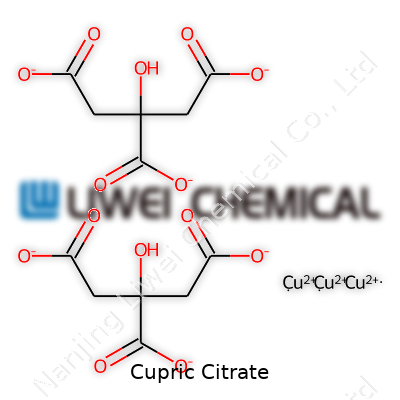
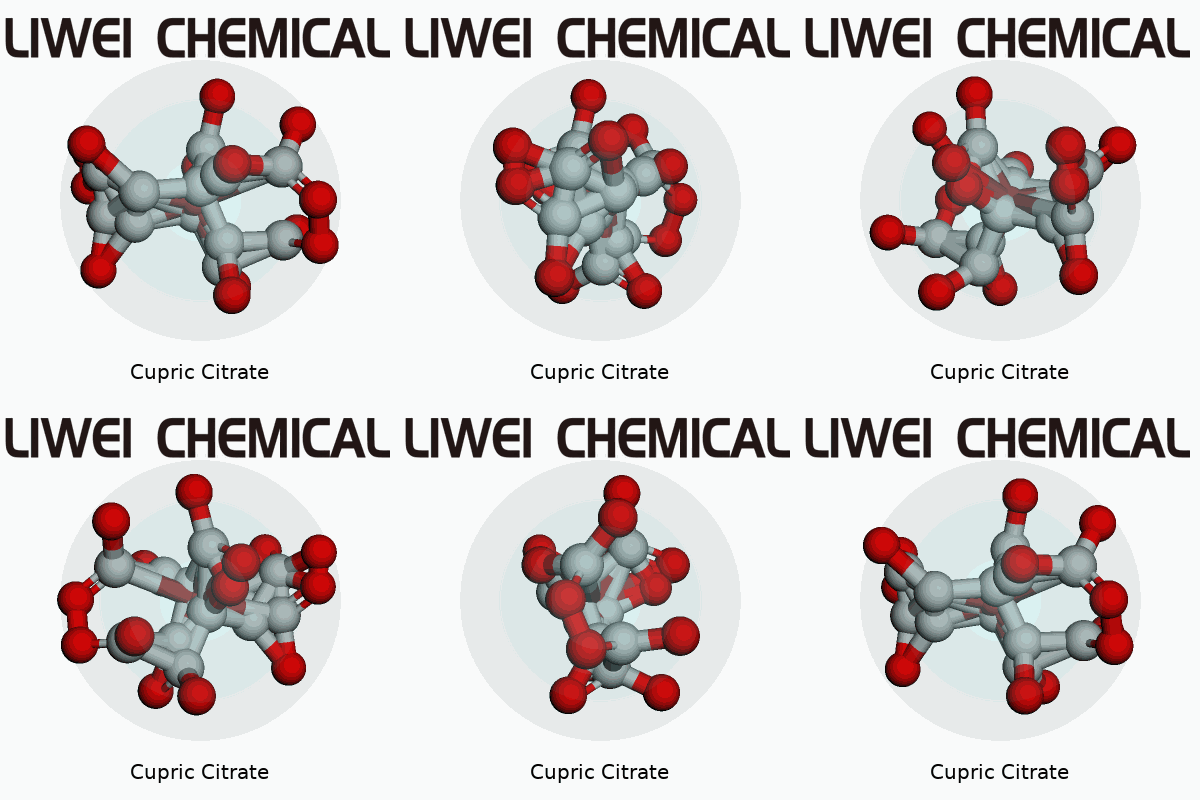
| Names | |
| Preferred IUPAC name | Copper(II) 2-hydroxypropane-1,2,3-tricarboxylate |
| Other names |
Copper(II) citrate
Copper citrate Tricupric dicitrate |
| Pronunciation | /ˈkjuː.prɪk ˈsɪ.treɪt/ |
| Identifiers | |
| CAS Number | Cuppric Citrate" CAS Number is: "866-82-0 |
| Beilstein Reference | 3579408 |
| ChEBI | CHEBI:32588 |
| ChEMBL | CHEMBL1502101 |
| ChemSpider | 557091 |
| DrugBank | DB14557 |
| ECHA InfoCard | 18b1e86a-86f4-4572-bbed-e295a758c8c3 |
| EC Number | 15337-18-5 |
| Gmelin Reference | Gmelin Reference: 80481 |
| KEGG | C18643 |
| MeSH | D003555 |
| PubChem CID | 159729 |
| RTECS number | GL7875000 |
| UNII | 9H26QF53AR |
| UN number | UN3077 |
| Properties | |
| Chemical formula | Cu3(C6H5O7)2 |
| Molar mass | 370.59 g/mol |
| Appearance | Light blue or blue-green powder. |
| Odor | Odorless |
| Density | 2.6 g/cm³ |
| Solubility in water | Slightly soluble in water |
| log P | -1.3 |
| Vapor pressure | Negligible |
| Acidity (pKa) | 3.2 |
| Basicity (pKb) | 6.2 |
| Magnetic susceptibility (χ) | +82.7×10⁻⁶ cm³/mol |
| Dipole moment | 0 D |
| Thermochemistry | |
| Std molar entropy (S⦵298) | 235.8 J·mol⁻¹·K⁻¹ |
| Std enthalpy of formation (ΔfH⦵298) | -1222.9 kJ/mol |
| Pharmacology | |
| ATC code | A12CX06 |
| Hazards | |
| Main hazards | Harmful if swallowed. Causes serious eye irritation. Causes skin irritation. |
| GHS labelling | GHS07, GHS09 |
| Pictograms | GHS07 |
| Signal word | Warning |
| Hazard statements | H410: Very toxic to aquatic life with long lasting effects. |
| Precautionary statements | P260, P264, P270, P273, P301+P312, P330, P501 |
| NFPA 704 (fire diamond) | 2-1-2 |
| Lethal dose or concentration | LD50 (oral, rat): 417 mg/kg |
| LD50 (median dose) | LD50 (median dose): Oral-rat LD50: 440 mg/kg |
| PEL (Permissible) | PEL (Permissible Exposure Limit) for Cupric Citrate: "1 mg/m³ (as Cu dust and mist) |
| REL (Recommended) | 2 mg/kg bw |
| Related compounds | |
| Related compounds |
Cuprous citrate
Copper(II) sulfate Copper(II) acetate Copper(II) chloride Copper(II) nitrate Sodium citrate |


