
Knowledge
Cobalt Tetroxide: Past Lessons, Current Uses, and Where the Story Goes Next
Historical Development
Cobalt tetroxide didn’t pop up overnight. Centuries ago, miners searching for silver in the mountains of Saxony kept running into blue ores that complicated their work, earning the name “kobold”—a nod to troublesome goblins. Scientists wrestled for decades, burning, roasting, and dissolving minerals to understand the chemical kindness hidden in these blue rocks. In the late 1700s, Swedish chemist Georg Brandt teased out cobalt’s unique story. Clear blue glass, pottery glaze, and then modern chemistry labs swirled around cobalt compounds as technology drifted forward. Cobalt tetroxide, Co3O4, came into common lab rotation by the early twentieth century, piggybacking off earlier cobalt discoveries, carrying a reputation for stability and a rich mix of uses from coloring enamel to aiding battery tech.
Product Overview
No need for pomp: Cobalt tetroxide carries a deep blackish hue, drifting somewhere between metallic and inky. Its crystalline structure isn’t just for show—industry folks appreciate that it resists melting, holds its form under heat, and isn’t spooked by air or light. Whether it’s being packed into barrels at a chemical plant or spooned into a research beaker, people trust it for its reliability in multiple types of work, from prepping lithium-ion battery cathodes to nesting in paint formulas. Its robust oxidation state means consistent results in processes where purity matters, keeping cobalt’s reputation up in grown-up science.
Physical and Chemical Properties
Cobalt tetroxide draws a line with its stable cubic crystals, sitting calmly at room temperature. Unlike cobalt(II) oxide, which turns heads with its greenish tinge, this one wears a solid black suit. Its density hovers around 6.1–6.2 g/cm3, making it heavier than many common metal oxides. Heat doesn’t bother it—no melting until temperatures hit near 900°C—and its solubility in water barely registers, giving it low mobility in most settings. In the chemistry world, Co3O4 behaves as a mixed-valence compound, shuffling electrons as a catalyst in oxidation reactions. It won’t dissolve in water but surrenders to strong acids, churning out cobalt salts that form the backbone of growing applications in electronics and pigments.
Technical Specifications and Labeling
Technical data for cobalt tetroxide often focus on particle size, purity levels, moisture content, and trace contamination by other metals. Typical grades start at 99%+ purity, needed for electronics and high-end ceramics. Bulk shipments demand clear labeling to track the material through shipping and handling, guided by international safety codes (UN 3077 for environment hazard, for example). Batches often come with certificates of analysis—a necessary track record in industries like battery manufacturing, where even minute deviation can skew performance. Each drum or bag carries specifics: manufacturer, lot number, date, and hazard markings, warning of respiratory and skin risks, which reflect the strict standards that come from handling transition metal oxides.
Preparation Method
Factories grind out cobalt tetroxide by roasting lower-valence cobalt salts or oxides in a controlled air flow. Cobalt carbonate or cobalt(II) nitrate gets heated in a kiln, where oxygen has room to work. The transformation happens steadily: as heat rises, smaller cobalt oxides grow into the mixed Co(II) and Co(III) structure of tetroxide. Careful temperature control steers clear of reducing it all the way to the metal, a mistake that chews up expensive starting chemicals. Some researchers work on wet chemical synthesis routes, mixing cobalt salts with alkali and introducing controlled oxidation—but large-scale plants prefer roasting, as it fits with upstream mining and refining operations.
Chemical Reactions and Modifications
Cobalt tetroxide stands as a friend to strong acids and a sparring partner to reducing agents. Hydrochloric or sulfuric acid eats through its crystal, releasing pink or red Co(II) salts and a haze of oxygen. In a reducing atmosphere, the black powder changes form, stepping down to green cobalt(II) oxide. Heat tips the balance, sometimes leading to cobalt metal if things get intense enough. The compound acts as a catalyst in organic oxidation, passing electrons around with precision. Researchers tweak its catalytic power by doping or surface-modifying particles, hoping to squeeze better performance for hydrogen production, pollution abatement, or even smart coatings for next-gen materials.
Synonyms and Product Names
Market lists throw out a handful of aliases: tricobalt tetraoxide, cobalt black, cobalt oxide (Co3O4), cobalt(II,III) oxide. Lab supply firms slap on their own trade names, but the industry circles back to "cobalt tetroxide" for precision. IUPAC keeps things tidy with "cobalt(II,III) oxide." Sometimes old catalogs put it under “cobalt peroxide,” although that’s a mislabeling that modern chemists don’t encourage. Tracking these synonyms helps prevent mishandling, as less precise naming can send someone down the wrong safety or storage path.
Safety and Operational Standards
Breathing dust from cobalt tetroxide isn’t good for anyone’s lungs. Label warnings point out health risks tied to heavy metal exposure—chronic inhalation can cause serious lung problems and skin exposure may spark irritation or allergy. Factories stick to tight workplace exposure limits, keeping air free of excess dust and requiring gloves, masks, and ventilation hoods for anyone working with open containers. Waste handling practices stay tough, as disposal of cobalt-rich products runs up against environmental protection rules in the US, EU, China, and beyond. Ongoing worker training and comprehensive Material Safety Data Sheets (MSDS) highlight hazards and emergency procedures; in my days running a college research lab, the cobalt shelf got special oversight, and even a simple spatula washout involved approved procedures.
Application Area
Manufacturers lean on cobalt tetroxide mostly for rechargeable lithium-ion batteries, where it acts as a key cathode material. Car companies eye demand with every new electric vehicle launch, pushing for high-purity cobalt to build batteries that last longer and deliver more power. Pigment experts also count on its black and blue tones for coloring ceramics, glass, and pottery glazes, where durability and color stability matter most. Chemical industries draw on its oxidation abilities for catalyst systems in fine chemical and petrochemical production. Other sectors, including electronics, magnet production, and surface coatings, rely on the predictable chemistry of Co3O4. Students and researchers still experiment with new uses, proposing next-gen solar cells and fuel cell catalysts—though large-scale adoption takes time and plenty of trial and error.
Research and Development
Innovation in the cobalt tetroxide world rarely slows. Teams have published piles of academic articles on tuning particle size, shape, and surface chemistry. Nano-Co3O4 particles offer tantalizing energy storage, catalytic, and sensor applications, and research in this area keeps heating up as electronics get smaller and more complex. Sustainable production methods are a big focus, especially as high-grade cobalt mining faces scrutiny for human rights and environmental concerns. Labs experiment with recycling methodologies from spent batteries that close material loops—work that could lower cost, shrink environmental footprints, and protect supply chains from market shocks tied to resource extraction.
Toxicity Research
Scientists have spent decades tracking the toxicological footprint of cobalt tetroxide. Inhalation studies on animals and workers point to potential lung damage, inflammation, and involvement in respiratory allergies. Some studies raise concerns about carcinogenicity, and occupational guidelines reflect this caution by calling for strict dust controls. Researchers dissect exposure routes and bioaccumulation, worried about accidental release into soil and water. Environmental agencies press for tighter emissions standards, and health advocates ask for more rigorous, long-term studies to fully nail down risk factors. Safer alternatives and compound modifications show some progress, but cobalt’s unique chemistry still pulls heavy industry back, just with extra oversight and protocols attached.
Future Prospects
Cobalt tetroxide stands at a crossroads as clean energy, sustainable technology, and resource stewardship take on new urgency. Battery manufacturers watch for breakthroughs with every uptick in electric car demand, while alternatives like nickel-rich cathodes loom on the horizon. Advances in recycling and refining tech aim to lighten cobalt’s load on the supply chain, chipping away at ethical and environmental concerns while keeping performance high. Pigment and catalyst research keeps Co3O4 near the top of the list for specialty applications. Nanotechnology’s move into mainstream markets may further widen its uses, but no one shrugs off health and environmental considerations. How the next decade shakes out will depend on a mix of regulation, supply innovation, and the speed of scientific breakthroughs—challenges my own colleagues wrestle with as labs and factories worldwide push boundaries and weigh risks.
Blue Pigment with a History
Few materials carry the distinct blue of cobalt tetroxide. Artists have relied on it for centuries to give glass and ceramics their rich, reliable tint. That blue shows up in everything from antique porcelain to stained glass windows in churches. When I see an old vase gleaming with that shade, I picture the painstaking craft behind mixing, melting, and firing these materials until the color pops out—an effort that still continues in modern studios. Consistency matters in pigments, and cobalt tetroxide delivers on that front better than most.
The Battery Connection
Today, cobalt tetroxide carries a new level of importance. Gadgets run on lithium-ion batteries, and these batteries depend on cobalt compounds for their cathodes. Cobalt tetroxide gives batteries the ability to store energy and recharge without losing too much capacity with each cycle. Every time I plug in my phone or check my laptop’s charge, I’m relying on the chemistry of cobalt compounds. Electric vehicle batteries use even more of it—without cobalt’s unique ability to stabilize the crystal structure at the cathode, batteries lose performance fast. No one wants a phone that struggles to hold a charge after a hundred uses, so this compound plays an essential part in everyday tech.
Industry: Harder, Stronger, Better Tools
Outside of art and energy, cobalt tetroxide shows its staying power in specialty alloys and tool production. Factories use it as an additive during the making of superalloys, frequently for jet engine parts or power plant turbines. These components see enormous heat and stress. Engineers value the toughness and temperature resistance that cobalt compounds add to metal mixtures. When I’ve had a chance to tour a manufacturing plant, the engineering behind cutting tools or turbine blades always impresses me. The metals need to bend but not break, handle friction without losing their edge, and cobalt forms part of that winning formula.
Concerns and the Search for Solutions
For all its uses, cobalt tetroxide brings up tough questions. Most of the world’s cobalt comes from the Democratic Republic of Congo. Mining often involves harsh labor conditions and can affect communities and ecosystems. Consumers rarely think about what’s inside their phone batteries or where those materials come from, but supply chain challenges and ethical sourcing keep hitting the headlines. I find it impossible to ignore the stories of workers exposed to dangerous conditions or the environmental damage near mining sites. Experts push for recycling old batteries to recover cobalt. Battery producers invest in research to reduce the amount of cobalt in each cell or find alternative chemistries. Real progress relies on clean supply chains, stronger worker protections, and better oversight where mining occurs.
A Material that Shapes Daily Life
Cobalt tetroxide doesn’t often make front-page news, but it plays a quiet hand in art, energy, manufacturing, and the global push for technology that’s reliable and sustainable. With honest conversations and continued innovation, the story of this blue compound could change from one of concern to an example of responsible progress in science and industry.
Understanding Cobalt Tetroxide
Cobalt tetroxide carries the chemical formula Co3O4. On paper, that looks straightforward—a mix of cobalt and oxygen. Dig a little deeper, and you see why it matters. Cobalt isn’t just for coloring glass blue or for old movie reels. Science classrooms use cobalt compounds for a reason: these chemicals fuel battery technology, help refine petroleum, and even touch the world of medicine.
Why Should Anyone Care About This Formula?
You might remember charging your phone or driving a new electric car lately. What gives these technologies life isn’t just sleek design or clever marketing, but the tough, reliable chemistry inside. Cobalt tetroxide, with its blend of Co(II) and Co(III) states, shows up in lithium-ion battery cathodes. What this means isn’t just longer battery life—it’s a chance to cut greenhouse gas emissions, keep renewable energy stored overnight, and keep pacemakers humming. Companies across Asia, North America, and Europe source cobalt compounds every day to push green tech further.
Mining, Ethics, and Change
That formula—Co3O4—carries baggage. Most cobalt comes from the Democratic Republic of Congo. There, companies face tough questions about safety, child labor, and the environment. For years, I’ve watched big headlines on supply chain issues. These stories aren’t just statistics; they highlight real families, real communities. When demand surges, the process becomes less about numbers on paper, more about trust and responsibility. Safe mining and transparent sourcing can’t just be nice PR tricks. It takes independent audits, real investment in local education, and a stubborn attention to detail from battery makers everywhere.
What’s Next for Cobalt Tetroxide?
The race to store solar and wind energy keeps heating up. I’ve seen labs push for new formulas that use less cobalt or swap it out for nickel, manganese, or even iron. Still, Co3O4 holds its spot in research and industry. Its spinel crystal structure gives solid conductivity and keeps batteries stable after thousands of charges.
Better recycling will make an impact. Experts forecast that urban mining—extracting valuable metals from old electronics—could cover a chunk of demand. Smarter recycling makes sense for workers, for the planet, and for anyone watching their budget. A few years back, I toured a recycling plant that pulled raw cobalt out of shredded phones and laptops. Watching those chunks of metal come back to life drove home just how intertwined our gadgets and these chemical compounds have become.
Solutions for a Cleaner Supply Chain
Transparency wins trust. Companies willing to trace their cobalt back to the source tend to find partners more willing to invest in long-term technology. Certification programs like the Responsible Minerals Initiative give buyers and manufacturers the confidence that their materials don’t come with hidden harm. Engineers keep experimenting with safer synthesis methods—high-temperature or wet methods—to make cobalt tetroxide purer and less toxic to handle, cutting risks for everyone involved.
Co3O4 is more than a formula scribbled on a chalkboard. It represents possibility, responsibility, and a future where chemistry, industry, and ethics meet in the real world.
Cobalt Compounds: Not Just Another Chemical
Cobalt tetroxide isn’t something most people think about day to day, but it matters, especially for folks in electronics or battery manufacturing. This chemical, often noted for its role in lithium-ion batteries and certain ceramics, brings value to key technologies. At the same time, the question about hazards looms large.
Direct Health Concerns from Cobalt Tetroxide
Handling cobalt compounds can be far from harmless. Breathing dust from cobalt tetroxide raises real health concerns. Coughing, throat irritation, and even more serious lung problems like asthma or hardening of the lung tissue have cropped up among workers. These facts stem from medical reviews of manufacturing records and NIOSH recommendations. Touching cobalt dust on a regular basis can also cause skin irritation. Scientists have flagged cobalt as a possible human carcinogen, meaning some cancers can grow after long-term exposure.
Don’t forget, cobalt compounds can get into the body through tiny cuts, and over time, build up in organs. Doctors have found links between long-term cobalt exposure and heart, thyroid, and nerve problems.
Risks Beyond Health: What Happens to the Environment?
Toxicity doesn’t stop at the factory door. Cobalt tetroxide particles may ride along in rainwater or float in the air, moving from cities out into soil and rivers. Once in the environment, it can harm fish and aquatic life. According to the European Chemicals Agency, even low concentrations can kill or damage the reproductive system of small species. Some plants struggle to grow if their water gets contaminated with cobalt compounds.
Why Safety Matters—And What Folks Can Do
Safety procedures in places where cobalt compounds get used aren’t just paperwork; they keep people breathing easy. Ventilation, dust control, and protective equipment mean fewer health tickets to the ER. The World Health Organization keeps urging industries to use proper masks and gloves.
Routine blood checks help spot cobalt build-up early. At battery factories and recycling centers, training workers to clean up dust and avoid eating or smoking in the work area becomes crucial. The United States Occupational Safety and Health Administration sets strict limits for exposure. There’s no magic shield, but basic safety steps have worked for decades: good airflow, wet cleaning of spills, and storing cobalt compounds in airtight containers.
Finding Alternatives and Safer Practices
Battery companies and researchers are busy hunting for new formulas that work just as well, but pack fewer risks. Some labs look at nickel or manganese compounds, hoping to sidestep cobalt problems altogether. A few universities, including MIT and Stanford, have tested batteries with lower-cobalt content, aiming to cut health hazards and lower costs.
Recycling old electronics safely matters, too. Proper e-waste recycling pulls valuable metals back into use, and stops toxins from spreading into the environment. Municipal programs and stricter rules for recycling plants can make a dent in this issue.
The Challenge Ahead
Every chemical in high-tech manufacturing brings trade-offs. Cobalt tetroxide gives us rechargeable gadgets and electric cars, but the hazards are real—both for human health and local ecosystems. Solutions come down to safer handling, more research, and trusting science-backed limits. The lesson: progress shouldn’t come at the cost of safety.
Why Safe Storage Can't Be Overlooked
Cobalt tetroxide isn’t just a nifty chemical used in making batteries or coloring ceramics; it’s also a substance that can mess with your lungs, skin, and the environment if not respected. I still remember my first job in a busy ceramics factory. New hires would show up, eager to dive into the work, only to trip over old sacks of cobalt compounds left too close to the production floor. One cough fit later, and folks learned quickly that careful storage prevents more than just OSHA headaches—it keeps your crew healthy.
Getting Location Right from the Start
The spot you choose for chemicals like cobalt tetroxide matters more than most believe. Put it close to regular foot traffic or heat sources, and you risk contamination or even a fuss if someone drops a cup of coffee nearby. Locked chemical cabinets or dedicated storerooms, away from busy areas and out of sunlight, solve most headaches. Clean, dry, stable shelving avoids any accidents.
Container Choices
Never skimp on the container. Cobalt tetroxide will react to moisture and even corrode certain materials. Solid polyethylene containers with a tight seal never failed me, even during humid summers or—once—when a neighboring lab let their HVAC system quit for a night. Don’t switch to glass jars just because they look fancy. Glass gets brittle, cracks easily, and isn’t always airtight. A sturdy, labeled plastic drum keeps workers from scraping cobalt dust off everything come cleanup time.
Label Every Container, Every Time
Labels seem boring until you watch someone sprinkle cobalt tetroxide thinking it’s pigment powder. OSHA mandates clear, waterproof labeling—hazard warnings, date received, lot number, and emergency guidance. Even the most grizzled warehouse veterans have admitted grabbing the wrong material on a busy day. That one step keeps confusion from turning into accidental exposure or expensive product loss.
Moisture, Fire, and Air Quality Concerns
Humidity spells trouble. If cobalt tetroxide absorbs water, it can clump or release fine dust. I once watched a cheap storeroom without ventilation turn blue and purple from a slow leak in the roof: dust on every vent, powder in boxes. Dehumidifiers or silica gel packs inside storage cabinets go a long way, and the extra cost beats scrubbing powder from every corner or risking respiratory issues.
This powder doesn’t ignite by itself, but its oxidizing properties mean it can feed other fires. Cramming cobalt tetroxide next to flammables practically invites a disaster. Instead, keep it far from anything that burns. Only trained team members should handle it, using fitted gloves and masks. Anyone working around chemical storage should have quick access to safety data sheets and a straightforward spill kit—ask anyone who’s scrambled to find absorbent pads under pressure.
Disposal and Emergency Planning
Eventually, containers reach their end or accidents happen. Local regulations treat any cobalt-containing waste as hazardous—no shortcuts here. Double-bagging spent material and calling certified disposal teams have kept our workspaces from cross-contamination scares. I have seen shops save a few dollars by tossing chemical leftovers into regular bins, only to spend weeks cleaning up after a minor spill or a surprise inspection.
Staying Ahead Means Staying Safe
Clear protocols and real respect for health and safety not only protect people—they save money and time. Regular training, quick access to equipment, and simple respect for ventilation and storage rules make a world of difference. Every step you take to store cobalt tetroxide right means one fewer thing to worry about on a busy workday.
Packing a Punch in Every Particle
Purity in cobalt tetroxide goes beyond technical jargon—it draws a clear boundary between mediocre performance and consistent results, especially in tough industrial settings. Reputable suppliers regularly pull out products above 99.5% purity, and this isn’t just marketing. High purity stops pesky elements like iron, copper, or nickel from sneaking in and causing problems for battery makers or pigment producers. Minor impurities often play spoiler, knocking stability or causing unexpected reactions down the line.
Batteries Don’t Like Surprises
Battery makers, both for electric vehicles and portable electronics, look for specific performance from every material. A drop in cobalt tetroxide purity could throw off crystal growth or change how much energy the cell holds. Low-quality powder means shorter battery life and weaker performance. Global research confirms these details: a study out of Tsinghua University found that even small contaminant spikes can ripple through the entire lifecycle of lithium-ion batteries, leading to swelling or early failure.
Glass and Ceramics: Color with Confidence
Tile, ceramic, and glass producers value cobalt’s vibrant blues—something only a pure ingredient can provide. When extra metals or lingering residues creep into a batch, colors might shift unexpectedly or come out uneven. Once a flawed color reaches the kiln, no amount of luck can reverse it. Past experience in manufacturing labs has shown even half a percent off in purity creates extra costs in wasted time and energy fixing what was supposed to be right from the start.
Checking the Numbers: What to Ask
Suppliers should show detailed Certificates of Analysis. Look for specific content numbers for cobalt (not just percentage but actual trace impurity levels). Leading firms use techniques like ICP-OES to test for foreign elements down to parts per million. Avoid unnamed “high-purity” grades—insist on published data, not only for the cobalt content, but for silicon, sodium, calcium, and other repeating offenders in supply chains. Inconsistent paperwork usually signals outdated quality systems.
Purity and Sustainability Go Hand in Hand
High-purity batches often mean the source ore was properly refined. Clean processing routes lower the risk of toxic waste being dumped into streams or groundwater. The higher the impurity, the more aggressive the chemicals needed to refine out unwanted elements, putting added stress on the environment. Real-world experience from visiting refinery operations confirmed that pursuing 99.7%+ grades cuts down on waste acid disposal and keeps filtration units working more efficiently.
Finding Solutions to Purity Problems
Factories can push for audits at their cobalt supplier’s labs, not just look up online specs. Building partnerships with reliable sources pays off every year, not just on the first shipment. Set up in-house tests for a random check on every delivery. If numbers slip, it’s easier to catch the root cause early—maybe the mine switched ore without telling anyone, or a refinery batch suffered contamination between steps. Tighter rules and open lines of communication keep everyone honest, aligning product quality with industry standards as well as environmental expectations.
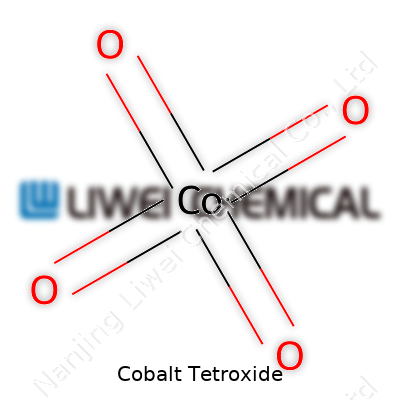
| Names | |
| Preferred IUPAC name | cobalt(II,III) oxide |
| Other names |
Cobalt(II,III) oxide
Cobalt peroxide Cobalto-cobaltic oxide Cobalt black |
| Pronunciation | /ˈkoʊ.bælt tɛtˈrɒk.saɪd/ |
| Identifiers | |
| CAS Number | 1308-04-9 |
| Beilstein Reference | 392873 |
| ChEBI | CHEBI:141357 |
| ChEMBL | CHEMBL1203016 |
| ChemSpider | 14447 |
| DrugBank | DB14636 |
| ECHA InfoCard | 03b1b482-4b0e-4dfa-8342-bc94581c7d80 |
| EC Number | 215-157-2 |
| Gmelin Reference | 774805 |
| KEGG | C16519 |
| MeSH | D017903 |
| PubChem CID | 14805 |
| RTECS number | GF8750000 |
| UNII | 7Q870098E7 |
| UN number | UN3288 |
| Properties | |
| Chemical formula | Co3O4 |
| Molar mass | 122.93 g/mol |
| Appearance | Deep blue powder |
| Odor | Odorless |
| Density | 6.11 g/cm³ |
| Solubility in water | Insoluble |
| log P | -2.51 |
| Vapor pressure | Negligible |
| Basicity (pKb) | 6.01 |
| Magnetic susceptibility (χ) | +3000e-6 cm³/mol |
| Refractive index (nD) | 2.12 |
| Dipole moment | 0 D |
| Thermochemistry | |
| Std molar entropy (S⦵298) | 77.0 J·mol⁻¹·K⁻¹ |
| Std enthalpy of formation (ΔfH⦵298) | -237.0 kJ/mol |
| Std enthalpy of combustion (ΔcH⦵298) | -887 kJ·mol⁻¹ |
| Pharmacology | |
| ATC code | V09XA02 |
| Hazards | |
| Main hazards | Toxic if inhaled, ingested, or in contact with skin; may cause allergic skin reactions; suspected of causing cancer; harmful to aquatic life with long-lasting effects. |
| GHS labelling | GHS02, GHS07, GHS08 |
| Pictograms | GHS07,GHS09 |
| Signal word | Danger |
| Hazard statements | H302, H317, H319, H334, H335, H341, H350, H360Fd, H372 |
| Precautionary statements | Precautionary statements of Cobalt Tetroxide: "P260, P261, P264, P270, P272, P273, P280, P302+P352, P304+P340, P305+P351+P338, P308+P313, P314, P321, P333+P313, P362+P364, P405, P501 |
| NFPA 704 (fire diamond) | 3-1-0 |
| Autoignition temperature | 400 °C (752 °F; 673 K) |
| Lethal dose or concentration | LD50 (oral, rat): > 5000 mg/kg |
| LD50 (median dose) | LD50 (median dose): Oral-rat LD50 > 5,000 mg/kg |
| NIOSH | WI9850000 |
| PEL (Permissible) | PEL (Permissible Exposure Limit) for Cobalt Tetroxide: "0.1 mg/m3 (as Co), OSHA PEL |
| REL (Recommended) | 0.1 mg/m3 |
| IDLH (Immediate danger) | 40 mg Co/m3 |
| Related compounds | |
| Related compounds |
Cobalt(II) oxide
Cobalt(III) oxide |


