
Knowledge
Cobalt Hydroxide: A Closer Look
Historical Development
Cobalt hydroxide has long played a role in both ancient pigment making and modern battery tech. Early records show cobalt salts used by glassmakers in Egypt and China to create blue-colored artifacts, but isolating cobalt compounds in pure form didn't come until the 18th century. Swedish chemist Georg Brandt is linked to discovering cobalt and its compounds, unlocking many uses beyond blue pigments. With industrial chemistry advancing through the 19th and 20th centuries, cobalt hydroxide began to emerge in battery materials, catalysts, and ceramics. Today, cobalt's strategic role has turned countries like the Democratic Republic of Congo into major suppliers, driven by rising demand for rechargeable batteries and new chemical research. The story of cobalt hydroxide mirrors changes in technology and industry, where each era finds different ways to push its properties and uses further.
Product Overview
Cobalt hydroxide stands out as a basic inorganic compound, typically formed as a pinkish or reddish powder under standard conditions. The material is widely known under the formula Co(OH)2 and serves essential functions across industrial, scientific, and manufacturing sectors. Producers sell it in various purities and physical forms, with the battery and pigment industries leading the charge on demand. Applications extend from energy storage to animal feed additives, each drawing on different physical or chemical features. While the raw powder is most common, customers expect evenly milled grains and minimal contamination, custom-packing for both small labs and bulk processing plants. Distributors insist on transparency, posting technical sheets and lab results, expecting a clear link between batch properties and end-use performance.
Physical & Chemical Properties
On touching cobalt hydroxide, the powder feels dry and loose but can clump together with moisture in the air. Its color varies from pink to red depending on precise formulation and how much it has oxidized, which often indicates purity or storage quality. The compound barely dissolves in water, settling quickly to the bottom in a suspension, yet shows some solubility in acids. Under heat, it readily loses water to yield cobalt oxide, which changes its chemistry and color too. Chemically, it resists most weak bases, but reacts promptly with strong acids, releasing hydrogen gas and forming cobalt salts. Shelf stability depends on keeping it dry and out of sunlight, as exposure can trigger slow oxidation, undermining shelf life and functional properties. Labs test for these traits using infrared and X-ray spectrometry, confirming crystal structure and ruling out tricky impurities like iron or nickel.
Technical Specifications & Labeling
Producers grade cobalt hydroxide first by its cobalt content, then by moisture, trace metal impurities, and particle size. Top-quality material for batteries demands over 60% cobalt content, less than 0.5% moisture, and carefully controlled nickel, iron, and copper below 100 parts per million. Powder size varies by process, but lithium-ion battery makers ask for fine, even grains for better chemical reactivity. Labels on containers report batch number, net mass, production date, expiration, cobalt purity, and any hazardous material warnings as required by local law. Safety and batch testing logs back up every sack, reflecting international ISO and REACH standards for traceability and environmental safety. Producers who ship globally carry country-specific registrations to comply with European, Asian, and American rules, reducing cross-border shipment delays and keeping investigators satisfied about chain-of-custody.
Preparation Method
Making cobalt hydroxide starts with dissolved cobalt salts, commonly cobalt(II) sulfate or nitrate. Factories use a controlled reaction with strong bases like sodium or potassium hydroxide, adjusting mixing rates and pH to keep particle size and purity in range. Once the reaction finishes, technicians filter the formed hydroxide, rinse it free of excess ions, then dry it in low-humidity environments to keep out ambient carbon dioxide which can react to form carbonates. Advanced manufacturing lines add steps for magnetic separation and X-ray scanning to catch stray metal or crystal mishaps. By tweaking pH, temperature, and reactant concentrations, producers fine-tune material for each market—batteries push for small particles and purer product, pigments often tolerate greater variability in color tone and trace elements. Each batch goes through full-spectrum analysis, checking for accurate chemical profile before being cleared for shipment.
Chemical Reactions & Modifications
Cobalt hydroxide is prized by chemists for its robust base properties and clear redox activity. In the lab, it dissolves in strong acids to yield cobalt(II) salts, bubbling off hydrogen—a popular textbook demonstration. Applied to catalysis, the material binds with oxygen and hydrogen donors, shifting oxidation states between Co(II) and Co(III), which chemical engineers harness in environmental or fuel-cell applications. Thermal decomposition sits at the center of its prep for battery cathodes; heat pushes out water, leaving behind dense cobalt oxide, which then goes into high-capacity batteries and smart glass. By doping with trace metals or treating the powder under hydrogen or air, scientists can pull out different crystal structures, boosting conductivity for new tech applications. Researchers constantly test novel modifications, trying to evolve better electrode materials, high-temperature catalysts, or sensors that sniff out hydrogen peroxide and other targets.
Synonyms & Product Names
Cobalt hydroxide shows up in supply catalogs, patents, and academic journals under many names. Technicians might call it "cobaltous hydroxide," while older texts list "cobalt(II) hydroxide." Common product codes include plain "Co(OH)2" or phrases like "cobalt pink basic salt." Large chemical distributors sometimes add their own branding or technical codes, which can confuse buyers less familiar with the field. Pigment makers often use older terms like "cobalt pink pigment," making it easy for a newcomer to miss that these labels point to the same underlying chemical. Some international markets translate names further, leading to extra care when comparing technical sheets across global suppliers.
Safety & Operational Standards
Anyone handling cobalt hydroxide faces strict workplace standards. NIOSH, OSHA, and Europe’s ECHA set exposure limits, requiring masks, gloves, and full containment on industrial sites. Even low-level exposure demands caution; repeated contact or inhalation increases risk of skin issues, asthma, and long-term effects on the heart or thyroid. Disposal brings its own headaches: waste streams containing cobalt compounds need secure containment, full documentation, and sometimes chemical neutralization, all subject to local hazardous waste codes. Emergency protocols require cleanup plans for spills and exposure incidents, with every facility keeper rigorously checking for leak-prone containers or poor ventilation. Safety data sheets outline first-aid, but only vigilant training and regular health checks keep risks low for workers and the environment.
Application Area
Modern demand for cobalt hydroxide centers on rechargeable batteries, especially lithium-ion and emerging cobalt-zinc chemistries. The world’s appetite for smartphones, electric cars, and portable electronics all trace back to cathodes made containing cobalt compounds. The pigment and ceramics industries keep using it for its rich color properties and chemical stability in glazes. Animal feed product lines include small doses as cobalt is an essential element in some vitamins, but dosage tightens to avoid toxicity. Even environmental firms lean in, tapping cobalt hydroxide as a catalyst in wastewater treatment and hydrogen production. Most innovation lately has flowed toward tech sectors—energy giants invest alongside startups to wring every bit of yield, stability, or safety from new electrode formulations.
Research & Development
The R&D scene around cobalt hydroxide keeps evolving. Scientific papers detail new synthesis routes—hydrothermal growth, microwave-assisted crystallization, spray pyrolysis—that promise cleaner, smaller, or more evenly shaped particles. Big battery companies fund studies probing long-term performance under repeated recharging, searching for ways to cut metal fatigue or raise conductivity. Nanotechnology labs dive into exotic hybrids: tiny cobalt hydroxide rods, nanotubes coated with other elements, or composites baked directly onto flexible substrates. Medical and food researchers join the fray, looking for ultra-low-dose supplements safe for livestock or nutritional pills, but always running into tough questions around safety. Patent filings reveal a steady stream of tweaks—coatings to stop powder clumping, blends for better dispersal in ink or slurry, chelating agents to boost uptake in soil. R&D rollouts are shaped by the latest in spectrometry, electron microscopy, and real-time analytics, making tomorrow’s processes leaner and smarter with each iteration.
Toxicity Research
Cobalt hydroxide lands squarely on regulatory radars. Studies pin adverse effects on both acute and chronic exposure, ranging from skin irritation and asthma to more worrying outcomes like organ damage at higher doses or among vulnerable groups. Scientists measure toxicity using in vitro cell cultures, animal testing, and bioaccumulation tracking in aquatic environments. Details collected over decades steer manufacturers to lower workplace and environmental limits. Debate persists about long-term bioactivity—animal studies tie excess cobalt to thyroid issues and cardiac stress, and some evidence hints at possible carcinogenicity, though connections remain debated. Food and supplement researchers chase a fine line, drawn between beneficial nutritional effects and doses that push toward harm. Researchers pair new toxicity tracking with chemical advances—nanoforms and mixed-oxide variants bring promises of improved safety but call for extra scrutiny.
Future Prospects
Cobalt hydroxide’s outlook tracks the explosive growth in energy storage, e-mobility, and green tech. Engineering breakthroughs bring emerging battery types that count on even more precise forms of cobalt hydroxide, especially for better performance and longer life in electric vehicles and renewable energy grids. Tighter environmental standards challenge the industry to clean up sourcing, moving away from problematic mining to new recycling processes and synthetic routes from urban ore. Researchers dig into low-cobalt and cobalt-free alternatives but keep returning to the reliability and stability that cobalt hydroxide offers, especially at the leading edge of performance. Cutting-edge startups blend it with conductive graphene or other exotic materials, setting stage for next-generation batteries and sensors. At the same time, concern over the health and environmental impacts keeps pressure on regulators and producers for ever-safer handling, transparent supply lines, and new advances in toxico-chemical research. So the journey of cobalt hydroxide continues, paced by both innovation and global scrutiny, wherever material science finds its next big need.
More Than a Simple Compound
Cobalt hydroxide shows up in more places than most people realize. Everyone’s talking about electric vehicles, power storage, and renewable energy right now, but the real story often starts in places like a chemical plant shaping cobalt hydroxide into a key ingredient. A powdery blue-green substance, it may not stand out, but its reach extends deep into our lives. People banking on longer-lasting batteries owe much to the careful work put into refining this material.
Batteries on the Rise
Walk into any facility making lithium-ion batteries, and you’ll find cobalt hydroxide playing a leading role. Companies don’t just add it for show—it boosts the performance and stability of battery cathodes. These devices keep phones, laptops, and increasingly, electric cars running longer and safer. I remember tearing open old laptop batteries for a science project and realizing just how much chemistry drives personal electronics. Cobalt compounds ended up staining my hands blue, a strong lesson that small ingredients bring big benefits—lightweight phones, cars that charge quickly, and gear that stays reliable under pressure.
Hardworking Behind the Scenes
Industries put cobalt hydroxide to work for plenty of other purposes beyond batteries. Paint manufacturers rely on it for blue pigments, adding distinct color to ceramics and glass. In the chemical world, it often ends up as a catalyst, helping spark important reactions or absorbing dangerous sulfur during petroleum processing. This single compound supports everything from beautiful glazed pottery to cleaner fuels. I’ve seen glassmakers fussing over the right shade for stained glass windows, knowing that just a pinch of cobalt-based pigment could change the result from dull gray to striking blue.
Seeking Responsible Sources
Here’s the catch—most cobalt originates from mining operations in countries like the Democratic Republic of Congo. Numerous reports have called out child labor and unsafe conditions, so demand for ethical sourcing keeps growing. Tesla, Apple, and other tech leaders face mounting pressure to show clear supply chains. Better traceability and stronger regulations give companies and consumers peace of mind. I always check electronics brand websites for sustainability sections before buying, because knowing the backstory gives more weight to every choice.
Looking Toward Improvements
Researchers haven’t stopped hunting for alternatives. Some have tried nickel-based cathodes and other metal oxides, especially for cutting costs and easing dependence on cobalt-rich countries. Despite these efforts, cobalt hydroxide remains pretty tough to beat in performance and safety. There’s momentum behind recycling spent batteries, capturing cobalt compounds, and putting them back to work. Even my local recycling center accepts electronics, ready to harvest those valuable metals.
Future Directions
Every time I see electric buses glide down city streets or hear about new phone battery breakthroughs, cobalt hydroxide stands quietly behind the innovation. Value for health and planet keeps driving change: sourcing, manufacturing, and reclaiming this compound calls for more than just chemistry. In the end, the material’s power depends on us asking tough questions and looking for better answers—each one charged with possibility.
Understanding the Basics
Cobalt hydroxide carries the chemical formula Co(OH)2. At its core, you have one cobalt atom bonding with two hydroxide groups. This connection might look simple on paper, but its impact stretches far beyond the textbooks.
Everyday Connections
I’ve come across cobalt hydroxide most often in the context of batteries. The conversation about electric vehicles and portable electronics keeps circling back to the metals powering these advances, and cobalt pops up as a key player. Cobalt hydroxide gets used to prepare cobalt oxide, which then assists in making the cathodes found in lithium-ion batteries. That means the devices most people hold or drive owe a part of their punch to this blue-green compound.
Why It Matters in the Real World
Digging down to the roots, the importance of knowing a chemical formula goes past passing chemistry exams. Cobalt hydroxide offers a gateway into fields like rechargeable energy, ceramics, and even pigmentation. Without a precise formula, any effort to predict how a compound might behave in a reaction or how much of it to use in a manufacturing process quickly hits a wall.
Companies rely on formulas like Co(OH)2 to plan everything from material sourcing to waste disposal. A bad calculation doesn’t just mean extra cost. It risks environmental issues, quality drops, or even worker safety. When recycling batteries or working in metallurgy labs, handling cobalt hydroxide without clarity around its composition can cause dangerous mix-ups.
Trusting Reliable Sources
Getting comfortable with chemical formulas builds trust in science. Whenever I scroll through research updates or see reports on battery innovation, seeing the right formula signals a credible, careful approach. Reliable organizations and universities often specify that cobalt hydroxide’s formula is Co(OH)2, not some other combination, because stakes can run high in both industry and labs. Mislabeling might not sound dramatic, but it can create trouble down the line when researchers try to replicate results. The right information empowers people to make healthier decisions and smarter investments.
Exploring Solutions and Responsible Practice
The story behind cobalt hydroxide reminds me that chemistry isn’t just for experts in white coats. It is for anyone wanting to understand what drives clean energy or safer consumer choices. One practical way forward comes from simplifying science education. The more people grasp what a formula like Co(OH)2 means, the less likely we see mistakes when products get designed or recycled. Another fix involves clear labeling and honest sourcing, especially with increasing scrutiny on ethical mining practices worldwide. Problems with cobalt mining, from labor issues to environmental damage, often start with poor transparency.
Pushing for open data and routine checks can catch errors early and foster better innovation. Governments and industry leaders hold some responsibility here, making sure that standards stay tight and accessible. Training workers on what these formulas mean doesn’t just protect them; it ripples into safer neighborhoods and helps keep people aware of what enters their products and homes. Even people distant from lab settings can contribute by learning how underlying formulas translate to everything around them, from batteries in remote controls to colorants in bathroom tiles.
Cobalt hydroxide, with its formula Co(OH)2, is proof that chemistry steers modern life in ways most folks would never expect at first glance.
Everyday Exposure and the Realities
Cobalt hydroxide often gets talked about as a chemical for batteries and pigments. Yet, most people rarely ask what it does to health or if it poses dangers at work or in the environment. I once spoke with a lab friend who worked around cobalt compounds almost daily. They always kept windows open and wore masks, not out of paranoia, but because small exposures, repeated enough, start to matter.
Toxicity: The Science and the Uncomfortable Truths
Cobalt compounds, including cobalt hydroxide, can cause harm if someone doesn’t treat them with caution. Inhalation or skin contact creates risks. Studies from the National Institute for Occupational Safety and Health show that breathing in dust or fumes leads to lung irritation, lasting cough, or even asthma-like symptoms if enough gets inside. People with open cuts can get skin reactions. While some industrial safety guides claim that only large doses create problems, I remember a co-worker who developed a persistent rash after a single spill and went to the doctor, who guessed it was the cobalt reacting with sweat on the skin.
Long-term exposures create even greater hazards. The International Agency for Research on Cancer lists some cobalt compounds as possible carcinogens—meaning their links to cancer are not just hypothetical. Chronic exposure can also bring problems like heart issues or thyroid effects, according to years of occupational health studies. These may not show up for months or years, which makes them easy to ignore—until suddenly they're not.
Environmental Hazards: More Than Just People
Factories using cobalt hydroxide tend to worry about worker exposure, but runoff from spills or careless disposal can’t be ignored. Cobalt doesn’t break down easily and can enter waterways, harming fish and other wildlife. Aquatic toxicity data suggests that even low concentrations can disrupt ecosystems. Soil contaminated with cobalt slows down plant growth and, in the worst cases, traces even end up in harvested crops.
Solutions and Real-World Considerations
Working with cobalt hydroxide safely doesn’t take high technology, just common sense and discipline. Good ventilation goes a long way. Protective gloves and eye protection prove their worth, even if it feels like a hassle on a hot day. Proper storage—keeping the powder sealed and dry—makes accidental exposures much less likely. I once saw an employee get sick simply because a storage bag ripped open and nobody thought to clean it up with anything more than a broom. Wet methods, like mopping instead of sweeping, prevent the fine dust from spreading.
Laws and safety rules exist for good reason. OSHA and similar agencies set exposure limits for cobalt compounds, not out of bureaucracy, but because health departments have seen what happens when those rules get ignored. Companies that make safety training routine, rather than something to check off a list, build long-term trust. Posting real stories—like the worker who noticed heart palpitations after long exposure—tends to make new staff take the risk seriously.
There’s also a responsibility to protect the environment. Proper waste disposal matters. Failing to treat chemical waste turns a local factory issue into a regional health problem. I’ve seen towns in mining regions face groundwater contamination, forced to rely on trucked-in water, just because hazardous waste rules were skipped.
Knowledge is Safety
Cobalt hydroxide brings value to technology and industry, but respect for its hazards protects both people and planet. Real change doesn’t start with grand gestures—it happens every day on factory floors, in safety briefings, and when one worker reminds another to wear gloves, even for just a quick clean-up.
Why Storage Matters More Than You Think
Cobalt hydroxide might sound technical, but it’s just another chemical that gets used in everything from batteries to pigments. Many people overlook how household or workplace chemicals get stored until a problem pops up — a spill, a strange smell, or something worse. Proper storage makes the lab and workplace safer. I learned that lesson early on after an old bottle started leaking on a cluttered shelf because I figured the original packaging was good enough forever. Spoiler: it wasn’t, and we all wasted a Sunday afternoon cleaning up the mess.
What Makes Cobalt Hydroxide Different?
Cobalt hydroxide is sensitive to moisture, reacts with acids, and can irritate the skin, eyes, and lungs. Blue-green powder sounds harmless, but it’s more than just a color. Reports, including from the National Institutes of Health, have noted that cobalt compounds can also pose long-term health risks if handled carelessly, including potential links to lung issues from chronic exposure. Anyone keeping a container at home, school, or workplace owes it to themselves — and to everyone around them — to treat this stuff with respect.
Real-World Storage Tips
Cardboard boxes on a shelf don’t cut it. Cobalt hydroxide belongs in tightly sealed containers, preferably made from glass or high-quality plastic. Metal reacts and can corrode. Besides, the powder drifts into the air if left open or in a battered container. I’ve seen people stash chemicals in reused food jars, but manufacturers invest in proper packaging for a reason.
Dry, cool locations with good airflow help prevent moisture from turning the substance clumpy or triggering a chemical reaction. I once saw a friend stuff a cobalt hydroxide jar right over a heat vent in a workshop. It clumped up, looked funky, and ended up thrown away. Sticking with a spot out of direct sunlight and far from sources of heat or humidity keeps the container and contents stable.
Labeling stays underrated. Permanent markers fade, masking tape peels, and more than once, someone’s grabbed the wrong jar. Printed, resistant labels make identification easy, especially during busy days or emergencies. Keep it simple — clear name, date received, and any hazard warnings.
Treat Storage Like a Team Sport
Most accidents happen because everyone assumes someone else took care of details. Training helps, even a five-minute refresher. At my university lab, we set up monthly checks after a close call with a mislabeled chemical. Keeping an updated inventory list and reviewing it regularly points out older containers that need checking.
Nobody likes rules for the sake of rules. But a clear storage practice isn’t about bureaucracy. It’s about getting home at the end of the day with no injuries, no headaches, and no surprises.
Improving Storage Without a Big Budget
You don’t need fancy cabinets that cost thousands of dollars. Shelves with chemical trays that catch leaks work for most cases. Placing cobalt hydroxide away from acids, bases, food, and drink is non-negotiable. Even basic clear containers available from science suppliers can do the trick if old packaging fails.
Equipping the space with spill kits and gloves caps off safe storage. Knowing where to find them gives everyone a little more confidence when unexpected events crop up.
From my experience, the best labs and workshops aren’t those with flashy equipment. They’re the ones where people pay attention, take precautions seriously, and don’t treat chemicals like just another item on a shelf.
Color and Appearance in the Real World
Cobalt hydroxide stands out for its bright colors. In the lab, you often find it as a pinkish or red powder, but there’s another shade. Sometimes it looks blue or green, especially if it’s exposed to air or certain chemicals. This color difference tells a story about its environment and even about how carefully it was made or stored. Anyone who’s spent time in a chemistry lab knows the surprise of opening a bottle and seeing that unusual pink shade. Teachers love passing around a sample just for its vibrancy.
Texture, Structure, and What You Feel
The material shows up as a fine, almost fluffy powder. You could compare it to very light talc, but a bit heavier as you scoop it. It doesn’t form hard lumps. If you pinch some between your fingers (wearing gloves, of course), it feels smooth and soft, but not greasy. In science workshops, students often comment on how it dusts their gloves without sticking. Its texture comes from the crystal structure known as hexagonal or layered, a fancy way of saying the particles stack in sheets and hold water between them.
Solubility: Water and Beyond
Cobalt hydroxide almost never dissolves in water, which is good if you need it to stick around in one spot. You can stir it in a beaker for hours, and you’ll still see the fine cloud of powder at the bottom. Drop it into strong acids, though, and it fizzes away. Acids break it down fast, producing cobalt salts that change color too. This trait sets limits on where it goes in batteries or pigments—don’t count on it holding together in acidic environments.
Magnetic Personality
Walk into any physics lab and you’ll find folks eager to check if a material responds to magnets. Cobalt compounds catch the attention of anyone studying magnetism. Pure cobalt has a strong pull, much like iron. Cobalt hydroxide holds on to some of that magnetic behavior, but it’s a lot weaker because of the oxygen and hydrogen tangled up in its chemistry. Still, if you've got sensitive enough gear, you can measure the slight attraction. This property drives curiosity about using it in new tech, especially for making certain types of batteries or magnetic data storage safer.
Why Density, Moisture, and Stability Matter
Each scoop of cobalt hydroxide weighs more than flour, but less than sand—about 3.6 grams per cubic centimeter on average. That may not sound exciting, but when shipping this powder in bulk or mixing it into formulas, it matters a lot. If you pack it too tightly, you risk spills or clumping. Also, it likes to hold onto water from the air, so manufacturers have to seal it well. Sometimes, I’ve opened a jar in a humid room and found it sticking together. Keep it dry and it stays free-flowing; let it soak up moisture, and you need to break up the lumps.
Practical Uses and Common Headaches
You’ll find cobalt hydroxide in rechargeable batteries, in pigments for glass and ceramics, and in some catalysts for chemical reactions. Its color stability helps create vibrant blues for artists and architects alike. But there’s a downside: impurities or poor storage can change its color and performance. Some battery makers run into trouble when moisture sneaks into the process, causing flakes or clumps instead of a fine, even powder.
Solving a Few Real-World Problems
Careful packaging and storage go a long way toward keeping the powder stable. Vacuum-sealed bags or tightly capped bottles solve the moisture problem most of the time. Purity control—testing batches for unwanted metals—heads off changes in color and reactivity. In industrial settings, using glove boxes or dry cabinets pays off, especially during humid seasons. And for anyone using cobalt hydroxide in paints or batteries, small-scale batch testing still keeps surprises to a minimum.
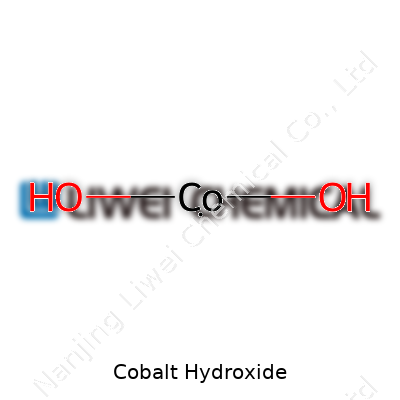
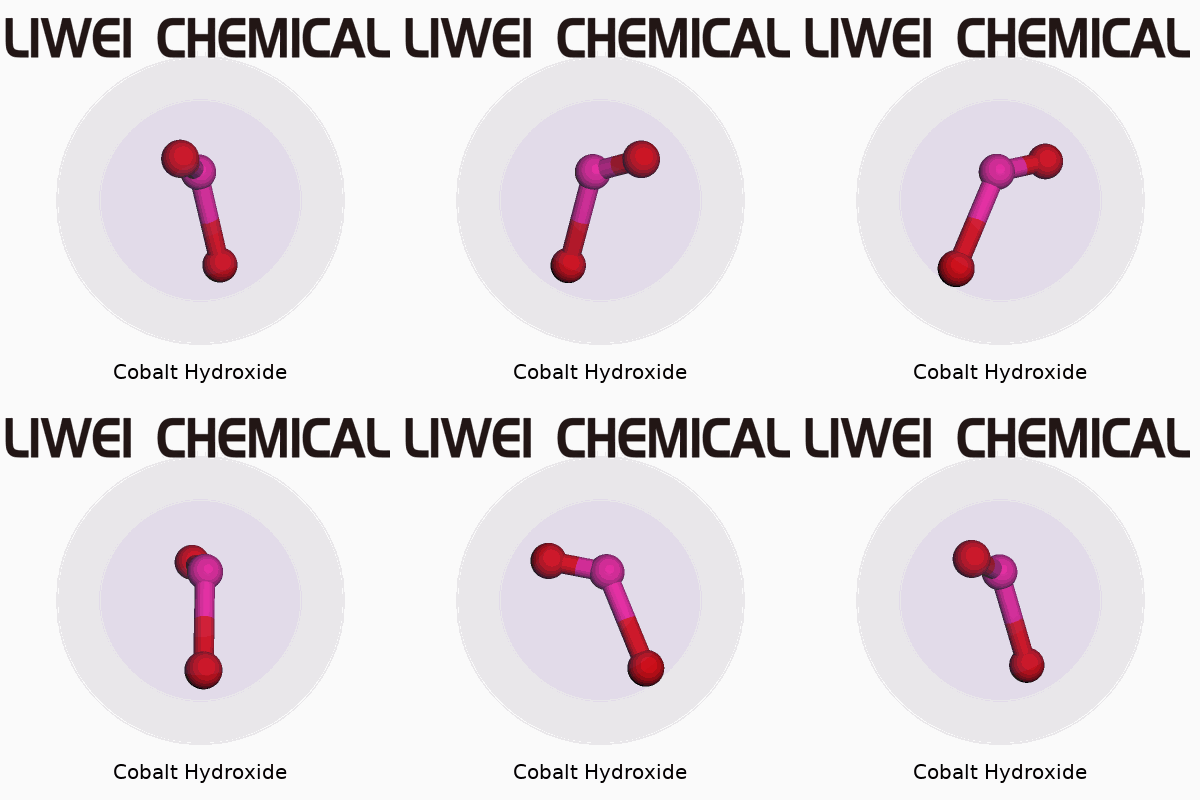
| Names | |
| Preferred IUPAC name | cobalt(2+) dihydroxide |
| Other names |
cobaltous hydroxide
cobalt(II) hydroxide cobalt dihydroxide |
| Pronunciation | /ˈkoʊ.bəlt haɪˈdrɒksaɪd/ |
| Identifiers | |
| CAS Number | 21041-93-0 |
| Beilstein Reference | 3589615 |
| ChEBI | CHEBI:37274 |
| ChEMBL | CHEMBL3743798 |
| ChemSpider | 21169142 |
| DrugBank | DB11225 |
| ECHA InfoCard | 100.029.996 |
| EC Number | 215-157-2 |
| Gmelin Reference | 52750 |
| KEGG | C02133 |
| MeSH | D003054 |
| PubChem CID | 14793 |
| RTECS number | FF4300000 |
| UNII | T2956W80EP |
| UN number | UN3179 |
| CompTox Dashboard (EPA) | DTXSID0021834 |
| Properties | |
| Chemical formula | Co(OH)2 |
| Molar mass | 92.948 g/mol |
| Appearance | Blue powder |
| Odor | Odorless |
| Density | 3.597 g/cm³ |
| Solubility in water | Insoluble |
| log P | -16.17 |
| Vapor pressure | Negligible |
| Acidity (pKa) | 15.4 |
| Basicity (pKb) | 14.38 |
| Magnetic susceptibility (χ) | +3000e-6 cgs |
| Refractive index (nD) | 1.98 |
| Dipole moment | 0 D |
| Thermochemistry | |
| Std molar entropy (S⦵298) | 90.0 J·mol⁻¹·K⁻¹ |
| Std enthalpy of formation (ΔfH⦵298) | -373.2 kJ/mol |
| Std enthalpy of combustion (ΔcH⦵298) | -463.4 kJ/mol |
| Pharmacology | |
| ATC code | V09AX03 |
| Hazards | |
| Main hazards | May cause respiratory irritation. May cause allergic skin reaction. Toxic if swallowed or if inhaled. Suspected of causing cancer. Causes damage to organs through prolonged or repeated exposure. |
| GHS labelling | GHS07, GHS08 |
| Pictograms | GHS07,GHS09 |
| Signal word | Danger |
| Hazard statements | H302, H312, H332, H351, H410 |
| Precautionary statements | P260, P264, P272, P273, P280, P302+P352, P304+P340, P305+P351+P338, P314, P362+P364, P405, P501 |
| NFPA 704 (fire diamond) | 3-1-2 |
| Lethal dose or concentration | LD50 (oral, rat): > 5,000 mg/kg |
| LD50 (median dose) | LD50 (median dose): Rat oral > 2,000 mg/kg |
| NIOSH | Not established |
| PEL (Permissible) | 0.1 mg/m3 |
| REL (Recommended) | 0.02 mg Co/kg diet |
| IDLH (Immediate danger) | 20 mg/m3 |
| Related compounds | |
| Related compounds |
Cobalt(II) oxide
Cobalt(II) chloride Cobalt(II) carbonate Nickel(II) hydroxide Iron(II) hydroxide |


