
Knowledge
Bismuth Potassium Citrate: A Comprehensive Perspective
Historical Development of Bismuth Potassium Citrate
Long before it landed on pharmacy shelves, bismuth compounds attracted scientists and physicians looking for remedies that didn’t do as much harm as they did good. Salts like bismuth subnitrate earned a reputation as stomach soothers in the nineteenth century, particularly in Europe and Asia, where gastrointestinal troubles hit hard. The constant search for milder, more effective, and less toxic alternatives paved the way for specialized agents like Bismuth Potassium Citrate. Its use flourished in China and Japan through the late 20th century, especially in the battle against peptic ulcers linked to Helicobacter pylori infection. Laboratories across the world paid close attention to the way this compound fit into the modern antimicrobial toolkit, challenging conventional options and creating fresh pathways for clinical research.
Product Overview: What Sets Bismuth Potassium Citrate Apart
Unlike older bismuth salts that brought a strong taste and high risk of side effects, this compound arrived on the scene offering a water-soluble option combined with improved safety. Its formula, blending bismuth, potassium, and citric acid, allows it to act as a gentle yet effective protector for the gastrointestinal lining by forming a physical barrier against acid. Doctors learned to trust it for dual action: directly combating bacteria and reducing stomach inflammation, particularly for ulcer patients with tough or recurring symptoms. People using it noticed less of the metallic taste familiar from other bismuth salts, making it more tolerable for daily treatment courses.
Physical & Chemical Properties
In its pure form, Bismuth Potassium Citrate presents as a white or slightly yellowish powder. It stays odorless and has a faintly astringent note if you happen to taste it. The formula includes three potassium ions for every bismuth and two citrate anions, making its molecular weight around 704 grams per mole. A notable feature is its mild solubility in water, vastly outperforming older, clump-prone bismuth compounds like bismuth subgallate. Under the microscope, the granules show good dispersibility, helping with even mixing in pharmaceutical applications. Stability stays high under dry conditions, but moisture or acid can nudge the compound to break down, releasing bound bismuth ions that carry out their antimicrobial effect.
Technical Specifications & Labeling
Quality standards for Bismuth Potassium Citrate are strict: manufacturers keep an eye on heavy metal levels, pH, particle size, and residue on ignition. Pure samples should have a bismuth content of approximately 48 to 51 percent on a dry basis, with potassium and citrate in tight ratios. Good manufacturing practice (GMP) guidelines require clear batch identification, expiry dates, and storage recommendations for both raw material and finished tablets or sachets. Labels point out the precise content per dose, highlighting contraindications for patients with renal impairment and warning users about long-term exposure. Child-resistant packaging has become routine since accidental ingestion poses a risk.
Preparation Method
Industrial synthesis involves controlled reactions between bismuth nitrate, potassium carbonate, and citric acid in aqueous solution. The carefully balanced mixture reacts to form a soluble complex that’s separated from any unreacted bismuth salts by filtration. Crystallization and drying steps follow, ensuring a fine particulate end product. In my own time working with chemical scale-up, purity of starting reagents always made the biggest difference in product quality. Any slip in stoichiometry or washing leads to impurities down the line, so routine analytical checks—atomic absorption spectrometry and high-performance liquid chromatography—have become standard before anything reaches packaging.
Chemical Reactions & Modifications
True chemical flexibility gives Bismuth Potassium Citrate an edge: in acidic stomach environments, it hydrolyzes, releasing bismuth ions that bind to protein exudates or bacterial cell walls. Under lab conditions, tweaking the citrate-to-potassium ratio or replacing potassium with sodium or ammonium changes solubility and biological activity. Formulators sometimes include anti-caking agents or convert the powder to granules to improve shelf stability and mixing in multi-drug sachets. In research, derivatives with added amino acids or sugars test the waters for even gentler, better-absorbed options, with some early signs suggesting lower renal stress and faster clearance.
Synonyms & Product Names
Healthcare professionals might run into several names for this substance: bismuth potassium citrate complex, tripotassium dicitratobismuthate, or colloidal bismuth subcitrate. In China and Japan, it often appears as CBS (colloidal bismuth subcitrate), while European markets tend toward technical nomenclature. Over-the-counter preparations use commercial names like De-Nol or GastroAID, depending on the manufacturer. This wide array of synonyms proves confusing for some pharmacists and patients, especially across languages and regulatory regions, so International Nonproprietary Names (INN) standardization is a hot topic at regulatory conferences.
Safety & Operational Standards
Every year, pharmaceutical inspections raise the bar for workplace cleanliness, batch standardization, and trace impurity documentation. Plant personnel wear gloves, masks, and lab coats to avoid exposure, since repeated inhalation or accidental skin contact carries risks. Waste solutions with bismuth get sent for specialist treatment as heavy metal pollutants. On the patient side, bismuth has a strong safety record compared to similar elements like lead or antimony, with most complaints limited to harmless darkening of stools or tongue with prolonged use. Overuse, especially in children or kidney-challenged patients, can result in neurotoxicity, so labeling warns about duration limits, and doctors regularly monitor for any neurological signs.
Application Area
Doctors began using Bismuth Potassium Citrate for peptic ulcers, especially in populations dealing with high Helicobacter pylori infection rates. Drug-resistant bacterial strains and rising antibiotic allergies pushed the medical community to look for alternatives, and bismuth offered a time-tested solution. Hospitals fit it into quadruple therapy regimens, pairing it with two antibiotics and a proton pump inhibitor. Clinical trials proved the combination can boost eradication success rates above 90 percent, outstripping those without bismuth. Beyond ulcers, researchers are exploring its anti-inflammatory and anti-cancer effects; some experiments hint at effectiveness against certain colorectal cancers or in post-endoscopy healing, though these uses remain experimental. Veterinary medicine also uses it for gastric protection in companion animals.
Research & Development
Universities and drug companies continue to look for improved formulas and delivery systems—such as nanoencapsulation or time-release tablets—to increase bismuth availability in the stomach lining while keeping systemic exposure minimal. Research teams in Asia and Europe model molecular interactions between bismuth ions and bacterial enzymes using cutting-edge computational chemistry. Clinical trial data published in prominent journals push for more personalized approaches, like tailoring duration or combinations based on local resistance profiles. The main constraint now isn’t the drug itself, but logistics: ensuring manufacturing standards match across borders and that supply chains avoid interruptions, as seen during recent health crises when international shipping ground to a halt.
Toxicity Research
Toxicologists carried out extensive animal testing in the late twentieth century, comparing bismuth’s risk to lead, mercury, and cadmium. Study after study at clinical doses showed nearly all administered bismuth gets excreted in feces, with minimal blood absorption. Rats receiving huge overdoses developed kidney and brain lesions, but these doses far exceeded typical human intake. In clinical settings, rare neurotoxicity cases relate to cumulative exposure over months, often in vulnerable populations. Researchers still track potential long-term effects, especially in kids, since their developing blood-brain barriers and renal systems process metals differently. Negative findings led to stricter dosing guidelines and reduced risk of accidental harm in populations most at risk.
Future Prospects
Looking ahead, Bismuth Potassium Citrate seems likely to keep its seat at the table as antimicrobial resistance grows and safe, effective therapies become harder to find. Efforts focus on more patient-friendly formulations, such as taste-masked microbeads or oral suspensions for children and the elderly. New research phases target its ability to boost immune response or act in synergy with natural plant extracts already popular in herbal medicine. Sustainable manufacturing practices—especially those cutting water use and waste bismuth release—feature heavily in industry conferences, with the hope that new chemistries can keep this compound both effective and green. As medication shortages worldwide worsen, keeping production nimble and safe ensures the compound remains a staple for those most in need.
Stepping Into the World of Stomach Relief
Ask someone who’s battled stomach issues, and chances are they’ve crossed paths with remedies containing bismuth compounds. Bismuth potassium citrate pops up in conversations about digestive health, and for good reason. Doctors and pharmacists often recommend this compound, especially for people dealing with chronic gastritis or an infection by Helicobacter pylori—a bacteria known to wreak havoc in the stomach.
Tackling Helicobacter pylori, A Common Enemy
H. pylori infection isn’t rare. Plenty of families, including my own, know the cycle: stomach pain, burning, and a trip to the clinic. Many H. pylori cases don't clear up on their own and can lead to nasty complications if ignored. Here’s where bismuth potassium citrate enters the picture. In medical circles, this compound forms part of a “quadruple therapy,” a combination cocktail including antibiotics and a stomach acid blocker. Patients take these four medicines together, and the bismuth element does its share by disrupting bacterial cell walls and taming irritation in the stomach lining.
A 2021 systematic review published in the World Journal of Gastroenterology backed up what people have seen in practice: bismuth-containing therapies can drive up eradication rates, even in areas where antibiotic resistance blocks other treatments from working well. With antibiotic resistance rising across the globe, practitioners pay close attention to bismuth-based alternatives.
Chronic Gastritis and Bismuth’s Protective Qualities
Chronic gastritis hits hard, bringing nausea, bloating, and discomfort for weeks or months. Medical professionals lean on bismuth potassium citrate as part of a strategy to soothe inflammation and protect the stomach’s mucosal lining. Chemical studies show that bismuth ions coat sore areas, blocking irritants from making things worse. I’ve watched several people swap out frequent antacids for regulated bismuth treatments and report steadier relief.
It’s not a magic bullet—patients still need to pay attention to their diets, cut back on smoking or alcohol, and deal with any underlying infection. But bismuth potassium citrate works well in combination with these lifestyle changes.
Safe Use and Emerging Questions
Most people tolerate bismuth potassium citrate, though high doses or long-term use can sometimes cause constipation or a harmless dark tint to the tongue and stool. Health practitioners stay on the lookout for signs of overuse, especially in folks with kidney troubles. There’s ongoing debate about whether this compound should have wider use in routine indigestion or for ulcer prevention—especially with more people self-medicating through over-the-counter options.
As part of the medical toolkit, bismuth potassium citrate proves its worth for specific cases. Still, public education about its uses and limits matters. Drug resistance and stomach cancer risks make it more important to catch H. pylori infections early and treat them thoroughly. Access to the right combination of drugs, patient adherence, and sound medical advice all play a part.
If there’s a broader takeaway here, it’s that specialized compounds like bismuth potassium citrate remind us of the need for individualized care. Listening to patient experiences, staying up to date on published research, and adapting treatments remains the best shot anyone has for promoting digestive health.
Why This Matters
Bismuth potassium citrate usually pops up in the context of stomach problems, especially for people fighting ulcers or that nagging burning feeling called gastritis. It sounds fancy, but really, it’s a common medication, and how you take it makes a huge difference in whether you actually feel better. Skipping over directions or guessing the dose can set you back even more. Over the years, I’ve seen neighbors and family ignore instructions and wind up back at square one, so following the routine isn’t just red tape—it’s real patient wisdom.
How to Use Bismuth Potassium Citrate
This medicine works inside your stomach, battling Helicobacter pylori bacteria and calming irritation. To get the most out of each dose, always take it on an empty stomach—typically about 30 minutes before a meal. That means no sneaking snacks or drinks before. Swallow it with water, not juice, soda, or other liquids. Any food coating your stomach can weaken its effect, according to research in gastroenterology journals.
Doctors usually pin down the right dose for your situation. Most adults get a schedule of one tablet or solution dose, usually two to four times each day. Following the instructions tightly gives your body the best chance to bounce back. I’ve known patients who felt better after a week, thought they could stop early, and landed back in the doctor’s office a month later. Sticking with the full course matters. Cutting treatment short lets stubborn bacteria survive and flare up again. Health organizations like the World Health Organization and the CDC both remind people to complete the run, even if symptoms fade in a few days.
What to Watch Out For
A handful of folks experience minor side effects—dark stools are common, and sometimes the tongue gets a dark coating. It freaks people out, but it’s no reason for alarm, as those changes happen due to the bismuth itself, not some deeper issue. Nausea or mild stomach upset can also show up, but talking with the prescribing doctor before stopping helps sort out if something more serious is going on. Anyone experiencing ringing in the ears, rash, or confusion needs to get medical help right away—these point to rare but serious reactions.
Getting the Most Benefit
Making a checklist or setting an alarm on your phone can keep doses on track. Busy days make it easy to forget. Let your doctor know about any other medicines or supplements you’re using. Bismuth potassium citrate can interact with some antibiotics, antacids, or even iron supplements, causing weaker treatment results. Patients older than sixty or people with kidney problems may need regular monitoring, since the body clears bismuth more slowly in these cases.
Care starts with asking. Don’t hesitate to reach out to your local pharmacist; they field these questions every day and can explain dosing in plain language. Modern healthcare isn’t one-size-fits-all, and taking the time to check the label, keep open communication with your doctor, and ask questions goes a long way toward healing up ulcers and stomach irritation for good.
Understanding What’s in the Bottle
Bismuth potassium citrate steps up on pharmacy shelves as a common ingredient in some stomach remedies, especially those addressing problems due to excess acid or Helicobacter pylori infections. It’s been around for years, and people have turned to it for relief from ulcers and digestive upsets. Bismuth-based drugs have built a reputation for helping kill off bad bacteria in the stomach lining, ducking under the radar compared to flashier medications.
Common Experiences: Dark Stools and Black Tongue
Open any medicine leaflet for bismuth potassium citrate, and warnings about darkened stools or a black tongue pop up instantly. These colors catch people off guard, but the effect doesn’t signal organ trouble. The body doesn’t fully absorb bismuth. Instead, it mixes with sulfur in the gut, forming harmless black compounds. People should know that this color change gets tied to the medication, not something more serious brewing inside. I’ve fielded anxious calls from family members over this unexpected surprise, and reassurance always helps.
Nausea, Constipation, and Feeling Bloated
Some individuals report nausea after taking bismuth potassium citrate, occasionally tagging constipation or mild stomach discomfort along for the ride. Fatigue and bloating sneak into conversations, especially among older adults. The gut feels off—sometimes with a dull ache, and regular trips to the bathroom drop off. This stuff works on the digestive tract, and any shift in balance can bring new, unwanted sensations. Hydrating well and eating fiber-rich foods cushion some of these effects.
Allergic Reactions: Rare, Yet Real
Allergic reactions, although unlikely, deserve mention. People might notice itchy skin, rashes, or swelling. Trouble breathing or facial puffiness suggest a genuine emergency. I’ve crossed paths with patients who didn’t suspect a link until red hives broke out after a dose, so dismissing allergy risk invites a danger that’s avoidable with solid awareness and quick responses. Anyone noticing symptoms needs urgent medical support.
Heavy Metal Risks from Long-Term Use
Bismuth, as a heavy metal, brings a different set of worries if used for long stretches. Over time, bismuth can build up in the body, and stories track back to cases where people took these medicines for months on end. Toxicity shows up in ways like confusion, tremors, and difficulty coordinating movement. Memory loss and trouble thinking clearly aren’t just stress—they sometimes stem from too much bismuth lingering in the bloodstream. Clear communication with doctors helps sidestep this risk.
Interactions with Other Medications
Bismuth potassium citrate mixes into the broader story of a person’s medication routine. Aspirin and certain antibiotics can run into trouble when paired with bismuth, making ulcers or kidney trouble worse. Sometimes, other drugs—such as anticoagulants—interact in unpredictable ways, changing absorption rates and raising bleeding risks. Pharmacists keep sharp eyes on these combinations to spot problems early. If confusion lingers, then medical professionals must keep an updated list of all medications for review.
Smarter Use, Safer Experiences
No single stomach fix comes without its trade-offs. Skipping unnecessary or extended use of bismuth potassium citrate helps avoid most issues tied to the drug. Regular check-ins with doctors or pharmacists keep people informed, especially for those managing chronic conditions or swallowing multiple pills each day. Reading labels carefully and reporting new symptoms early make a huge difference in keeping side effects from spiraling out of control.
References and Medical Trust
To shape safe habits, the conversation leans on advice from trustworthy places—guidelines from the U.S. Food and Drug Administration, clinical experience seen in gastroenterology, and research published by peer-reviewed medical journals. These sources cement the ground under every decision, not just for this medication, but for any health choice that counts in the long run.
Understanding the Basics of Bismuth Potassium Citrate
Bismuth potassium citrate often pops up in the conversation around digestive issues. Doctors use it for conditions like Helicobacter pylori infection and stomach ulcers. Patients might hear about its metal taste or darkened stools, which tend to be harmless. Still, anyone who has stood in a pharmacy aisle with a shopping basket knows combining medicines isn’t always straightforward. This is one of those products that brings up a lot of questions about safety around mixing with other drugs.
Interactions Can Complicate Things
Mixing medicines sometimes leads to unexpected results. Bismuth potassium citrate belongs to a group of compounds called bismuth salts. They bind with other substances in your stomach, sometimes trapping them or keeping them from working the way they should. For example, antibiotics like tetracyclines and quinolones don’t work as well if taken at the same time as bismuth. The bismuth latches onto the antibiotic and keeps your gut from absorbing much. Doctors usually suggest spacing out these medicines by at least two hours.
If you take iron supplements, digoxin, or certain diabetes drugs, bismuth can throw off their action. People with kidney problems need to be cautious, since any build-up of bismuth may lead to side effects such as confusion or rash. Speaking with a pharmacist or doctor before using bismuth with any medication is the most practical approach. From my experience, even well-informed patients sometimes overlook something basic, like the timing between doses or reading a new label at the pharmacy counter.
Real-World Scenarios People Face
Plenty of folks use bismuth potassium citrate as part of combination therapy for H. pylori, usually alongside antibiotics and acid blockers. Hospitals often hand out clear printed schedules for these so you don’t take them together. Outside the hospital or clinic setting, things get fuzzier.
I’ve seen patients take all their morning pills together, thinking efficiency matters more than timing. Unfortunately, this habit can lead to one medicine making another one less useful. Even worse, it can invite side effects like constipation or black stool that worry people until they remember the harmless color change from bismuth. The most reliable method is scheduling medicine times, keeping written notes, and bringing all prescription bottles to a clinic review now and then.
How Professionals Stay on Top of Safety
Doctors and pharmacists check databases for drug interactions before combining medicines. In clinics, electronic health systems sometimes pop up alerts when a risky combination comes up. That technology doesn’t replace communication. Patients should always mention self-medication, herbal supplements, and recent travel to clinics. Not everything appears in digital charts.
The importance of communication hits home in busy family clinics. Years ago, a patient told me she had started bismuth potassium citrate for gastritis. She forgot to mention it while her doctor adjusted her diabetes medication. A week later, her blood sugar crashed unexpectedly. It turned out bismuth had changed how the diabetes pill worked. This kind of mistake is preventable. Open conversations about any medications or supplements go a long way to keeping problems away.
Practical Advice for Safe Medicine Use
For those considering bismuth potassium citrate with other medicines, carry a written or digital list of everything you take. Set time reminders or alarms for different pills if you struggle with schedules. Double-check any over-the-counter remedies with a professional. Simple actions like these save trouble and give peace of mind.
Real Questions Deserve Real Answers
Pregnancy and breastfeeding both bring a flood of questions, and medicine safety tops the list. Bismuth potassium citrate pops up often for folks dealing with indigestion or stomach issues. The ingredient turns up in medicines meant to comfort troubled stomachs, but folks wonder if it’s safe while pregnant or nursing. Concerns don’t always come with easy or clear-cut answers, so digging into known facts sheds light on what matters for moms and babies.
What Doctors and Studies Say
Medical professionals lean on data, not guesswork. Bismuth belongs to a family of metal-based compounds found in stomach remedies. Most data around bismuth subsalicylate, a close cousin, comes from decades of safe use in adults, though warnings get stamped for children due to the risk of Reye’s syndrome. When it comes to pregnancy, studies look for birth defects, pregnancy loss, or other harm linked to medicine. So far, evidence for bismuth potassium citrate remains thin.
No strong clinical trials exist showing safety in expecting mothers, and that silence makes doctors cautious. The risk of bismuth crossing from mom to baby during development or through breast milk remains hard to pin down with certainty. Case reports have not flooded the literature, but that doesn’t equal proof of safety. As a parent and science watcher, uncertainty means I’d want more than “it probably won’t hurt” before picking up any medication during pregnancy.
Possible Risks: A Closer Look
Bismuth itself, especially in large doses or over months, can build up in the body. Long-term use links to bismuth toxicity, which brings confusion, tremors, or even kidney strain in rare cases. Pregnant bodies already run double duty clearing out waste for two, so extra burden might not be a risk worth taking. Salicylates in some bismuth remedies also carry a risk for babies, showing up in potential links to bleeding problems or impacts on developing organs if used late in pregnancy.
Breastfeeding raises another hurdle. Bismuth can pass into breast milk, even if only in small traces. Babies process minerals and medication differently than adults. Tiny amounts add up, and there’s no clear answer on how much is safe. The World Health Organization and reputable sources like the CDC urge caution around bismuth in nursing for just this reason.
What Real Experience Suggests
Plenty of folks turn to old-fashioned remedies during pregnancy out of habit or family tradition. I remember friends reaching for over-the-counter medicines to quiet heartburn, only to second-guess that choice and call a nurse for peace of mind. Anecdotes and instincts signal what studies haven’t finished proving: better safe than sorry. Doctors nearly always suggest lifestyle tweaks—sleep propped up, eat smaller meals, skip foods that spark symptoms—before turning to medication in pregnancy and breastfeeding.
Smarter Choices for Moms and Babies
For every question about what’s safe, a quick chat with a trusted healthcare provider stands out as the best move. Pharmacists and doctors can scan for risky ingredients, explain possible side effects, and suggest alternatives like antacids or dietary changes that create fewer question marks for developing babies. Pregnancy and breastfeeding already bring enough uncertainty; peace of mind about medicine should come from clear facts and a support team, not from hoping for the best.
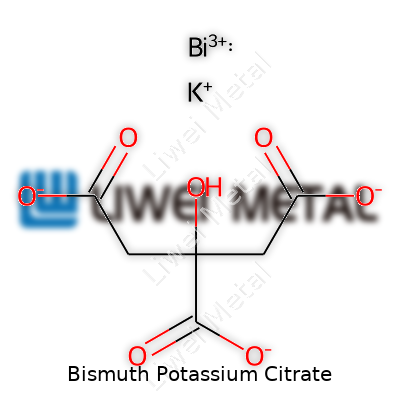
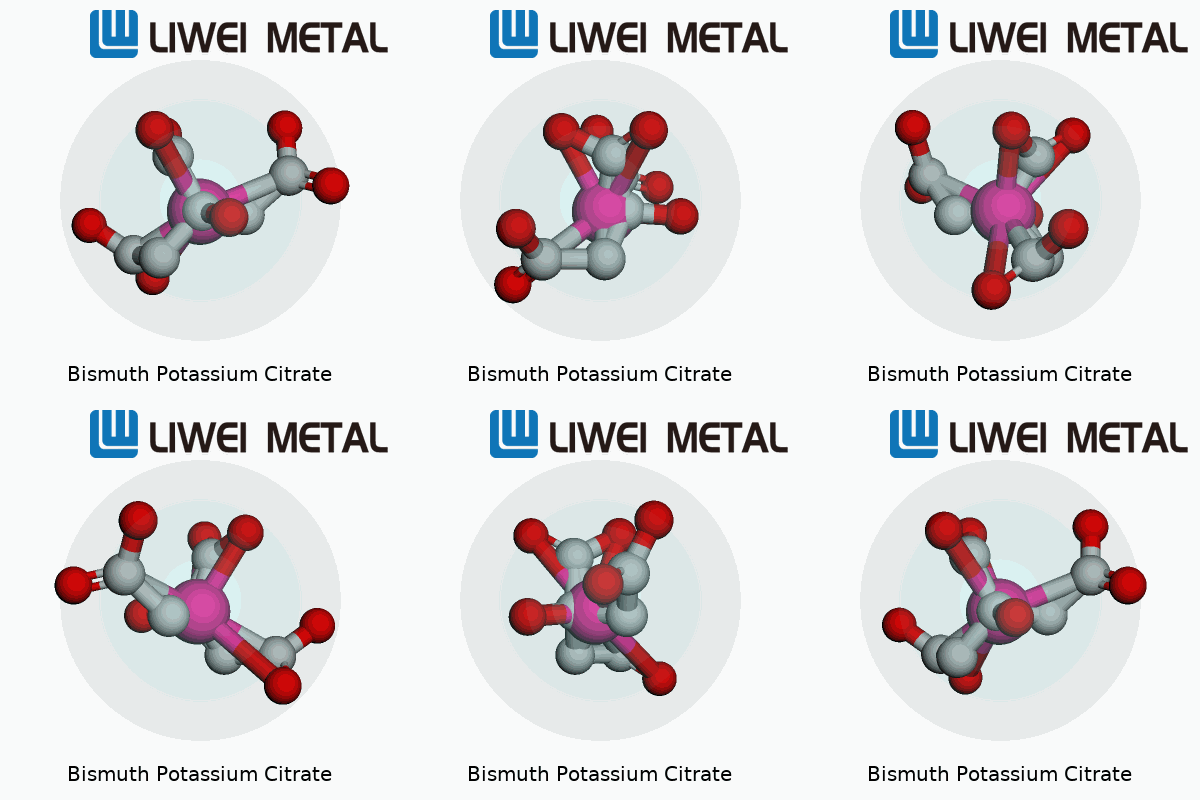
| Names | |
| Preferred IUPAC name | Tripotassium [(2-hydroxy-1,2,3-propanetricarboxylato)(2-oxidodistibanoato)]bismuth(3+) |
| Other names |
Bismuth Potassium Citrate
Bismuth Subcitrate Potassium |
| Pronunciation | /ˈbɪz.məθ pəˈtæs.i.əm ˈsɪ.treɪt/ |
| Identifiers | |
| CAS Number | [57644-54-5] |
| Beilstein Reference | 0108713 |
| ChEBI | CHEBI:131787 |
| ChEMBL | CHEMBL1201604 |
| ChemSpider | 158425 |
| DrugBank | DB09225 |
| ECHA InfoCard | InChI=1S/3C6H5K3O7.2Bi/c3*7-3-1-5(9)4(8)2-6(10)11;;;;;;;/3*2-1(3,4)5;/h3*1-3,7-8H,(H,9,10,11);;;;/q;;;3*+1;;;;2*+3/p-6 |
| EC Number | 224-215-1 |
| Gmelin Reference | 14925 |
| KEGG | D03116 |
| MeSH | D000320 |
| PubChem CID | 16211212 |
| RTECS number | TG4725000 |
| UNII | 109307L43R |
| UN number | UN2811 |
| CompTox Dashboard (EPA) | DTXSID0022866 |
| Properties | |
| Chemical formula | C12H10BiK3O14 |
| Molar mass | 766.5 g/mol |
| Appearance | White or almost white crystalline powder |
| Odor | Odorless |
| Density | 2.56 g/cm3 |
| Solubility in water | Slightly soluble |
| log P | -3.3 |
| Vapor pressure | Negligible |
| Acidity (pKa) | 1.6 |
| Basicity (pKb) | 7.35 |
| Magnetic susceptibility (χ) | −220 × 10⁻⁶ cm³/mol |
| Refractive index (nD) | 1.52 |
| Viscosity | Viscous liquid |
| Dipole moment | 2.88 D |
| Thermochemistry | |
| Std molar entropy (S⦵298) | 489.7 J·mol⁻¹·K⁻¹ |
| Pharmacology | |
| ATC code | A02BX05 |
| Hazards | |
| Main hazards | May cause irritation to eyes, skin, and respiratory tract. |
| GHS labelling | GHS07, GHS09 |
| Pictograms | oral use, prescription only, keep out of reach of children, store in a cool dry place |
| Signal word | Warning |
| Hazard statements | H315: Causes skin irritation. H319: Causes serious eye irritation. H335: May cause respiratory irritation. |
| Precautionary statements | P264, P270, P273, P280, P301+P312, P330, P501 |
| NFPA 704 (fire diamond) | 1-1-0 |
| Lethal dose or concentration | Lethal dose or concentration (LD50, oral, rat): 2,000 mg/kg |
| LD50 (median dose) | LD50 (median dose): >5,000 mg/kg (Rat, oral) |
| NIOSH | WFJ24550X4 |
| PEL (Permissible) | Not established |
| REL (Recommended) | 220 mg |
| IDLH (Immediate danger) | Unknown |
| Related compounds | |
| Related compounds |
Bismuth subsalicylate
Colloidal bismuth subcitrate |


